

Demystifying Private Student Loans: What You Need to Know 🎓
Just as you're about to embark on your educational journey, the question of financing it can feel like a daunting maze. But fear not, our private student loans guide is here to illuminate the path. Private student loans, unlike their federal counterparts, are not provided by the government but by private lenders such as banks, credit unions, and sometimes even schools themselves.
So, what makes them different from federal student loans? Well, the pros and cons of student loans can vary based on factors like repayment plans, interest rates, and even your credit score. Remember, understanding student loan costs is a key step in making informed student loan decisions.
Ready to dive into the sea of knowledge about private student loans? Buckle up, because we're about to embark on a journey that will help you secure your future, one informed decision at a time.
Unveiling the Bright Side: Benefits of Private Student Loans 💡
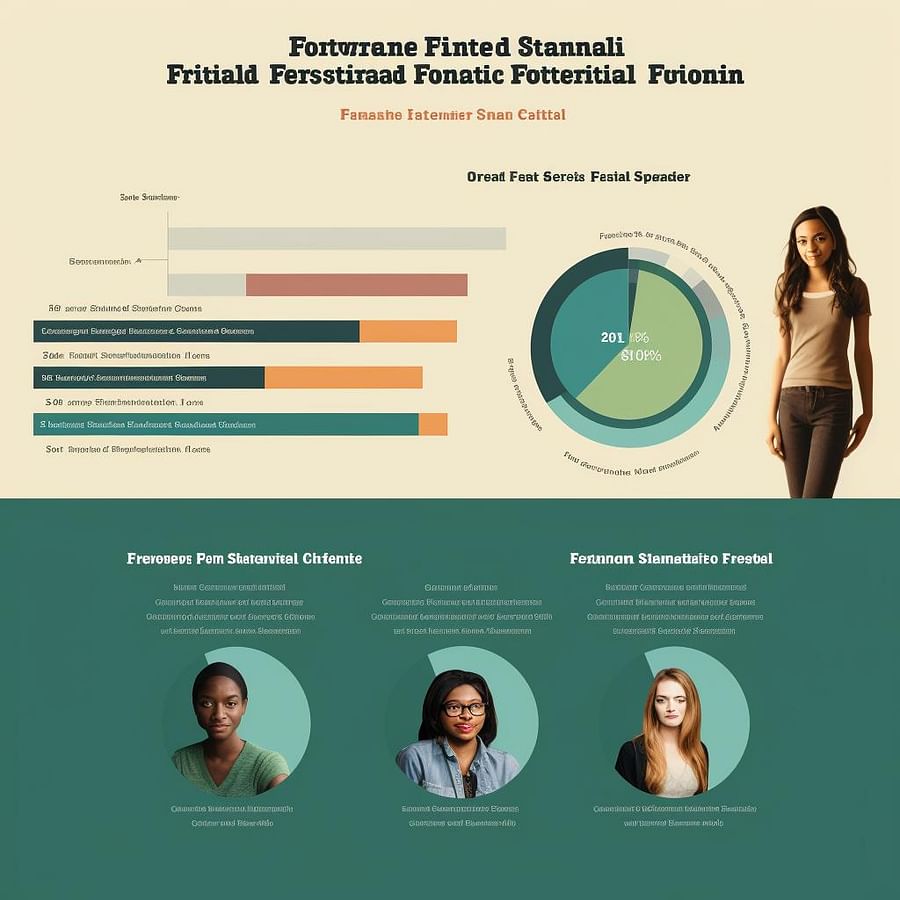
Imagine having the world as your oyster, with a plethora of loan products at your fingertips. That's the beauty of private student loans, my friends. They offer wider borrowing limits, which can be a lifesaver when federal loans just don't cut it. You have the freedom to borrow as much as your education costs, minus other aid received. Isn't that something to think about?
But wait, there's more. Private student loans cater to your unique needs with a variety of loan products. Whether you're a part-time student, an international student, or even a parent wanting to help fund your child's education, there's likely a loan product just for you. Think about the possibilities.
And let's not forget about the potential for lower interest rates. If you have a stellar credit score or a credible cosigner, you might just snag a private loan with an interest rate that makes your wallet sing. Now, isn't that music to your ears?
Comparison of Maximum Loan Amount: Private vs Federal Student Loans
Caution! The Not-So-Sunny Side of Private Student Loans ⚠️
While private student loans can be a lifeline for some, they're not without their pitfalls. Higher interest rates can make these loans more expensive in the long run, turning your dream degree into a financial nightmare. But how much more expensive, you ask? Well, let's just say the difference in interest rates between private and federal loans can be as stark as a summer day and a winter night.
Another drawback to private loans is the need for a credit check. Unlike federal loans, which are based on need, private loans hinge on your creditworthiness. So, if your credit score is less than stellar, you might find securing a private loan as tough as nailing jelly to a tree.
And let's not forget about the less flexible repayment options. Unlike federal loans, which offer a variety of student loan repayment plans, private loans can be rigid, leaving you with fewer options if you hit a financial rough patch. So, if you're considering a private loan, remember: forewarned is forearmed.
Interest Rates Comparison: Private vs Federal Student Loans
Understanding Private vs Federal Student Loans
Test your knowledge on the key differences between private and federal student loans.
Learn more about 📚 Test Your Knowledge: Private vs Federal Student Loans or discover other Need Student Loan quizzes.
Smart Moves: Things to Ponder Before Saying Yes to a Private Student Loan 🤔
So, you've decided to take the plunge and consider a private student loan. Before you take that leap, it's crucial to understand the terrain. Have you read the fine print of the loan agreement? It's like a map, guiding you through the terrain of your loan's terms and conditions. It's not the most exciting read, but it's an essential part of making informed student loan decisions.
Next, let's talk about interest rates. They're like the weather of your financial journey - unpredictable and can have a massive impact on your journey's comfort. Private student loans usually come with higher interest rates, so it's worth comparing rates before you commit.
Lastly, remember there are other routes to your destination. Federal student loans, scholarships, and work-study programs might be alternative paths worth exploring. After all, isn't the best journey one where you've considered all the routes?
Before diving into the application process, it's crucial to carefully consider the following aspects of private student loans:
Having considered these factors, you're now better equipped to make an informed decision. Let's move on to how you can apply for a private student loan.
Your Roadmap to Success: A Step-by-Step Guide to Securing a Private Student Loan 🗺️
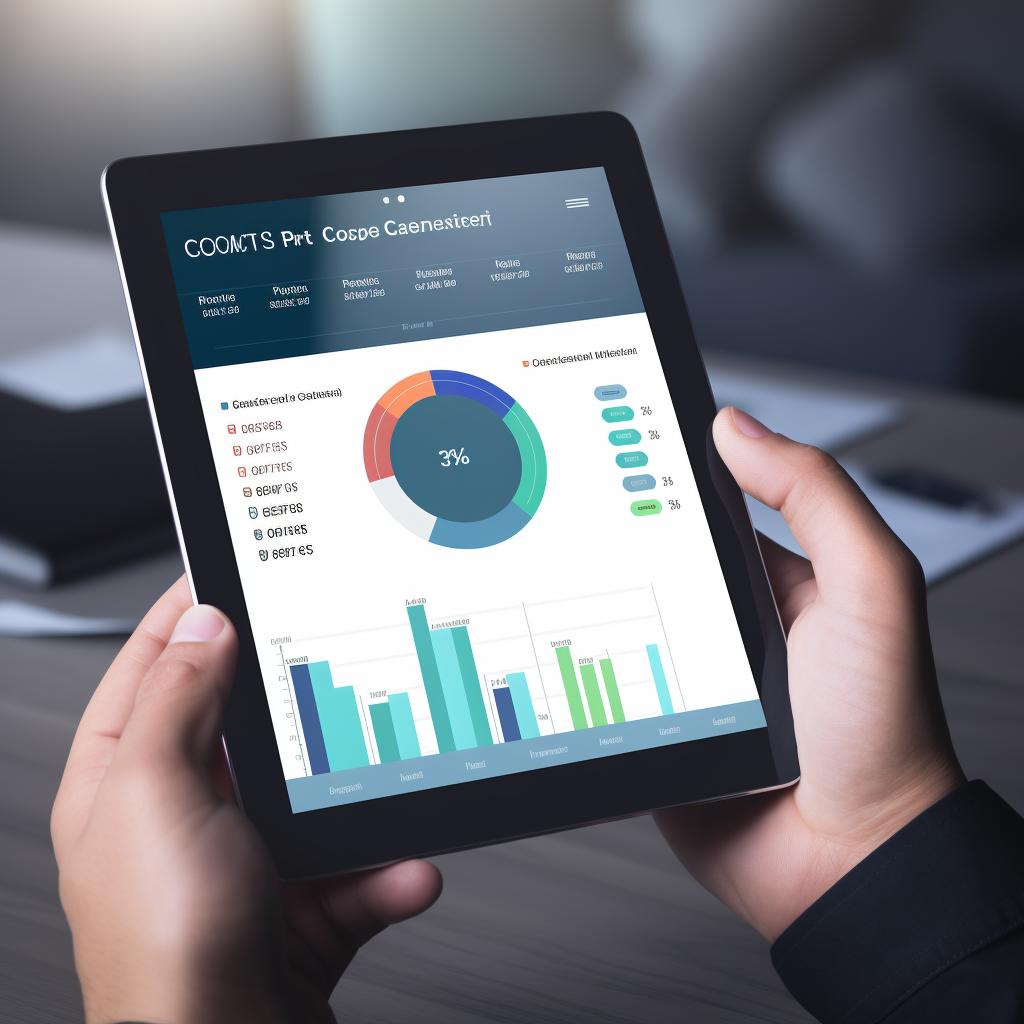
Now that you understand what private student loans are and have considered the factors before applying, let's dive into the step-by-step process of securing a private student loan.
Your Step-by-Step Guide to Applying for a Private Student Loan




Learn more about Your Step-by-Step Guide to Applying for a Private Student Loan ✍️ or discover other Need Student Loan guides.
Well done! You've now learned the process of applying for a private student loan. Let's test your understanding with a quick quiz.
Understanding the Process of Applying for a Private Student Loan
Test your knowledge on the process of applying for a private student loan.
Learn more about 📚 Take the Private Student Loan Application Process Quiz or discover other Need Student Loan quizzes.
Clearing the Debt: Navigating Your Private Student Loan Repayment Journey 💰
Embarking on your private student loan repayment journey is akin to navigating uncharted waters. Fear not, the waters may be unfamiliar, but with our comprehensive private student loans guide, you'll be armed with a compass and a clear map.
From understanding student loan costs, to exploring various student loan repayment plans, the choices can seem overwhelming. But what if you could choose a plan that mirrors your financial capabilities? A plan where you're not just surviving, but thriving? Yes, it's possible, and yes, you can make it happen!
Remember the grace periods and deferment options that are your safety nets during turbulent times. Still curious about how to secure student loans or wondering what the best student loan payment plan is? Our FAQs are a treasure trove of answers empowering you to make informed student loan decisions.
As the curtain falls on this journey, remember, every new chapter of your life requires a new financial strategy. The power to chart your course lies in your hands. So, ready to set sail?
It's important to understand how much you'll need to repay each month before taking out a private student loan. Use the calculator below to estimate your monthly repayments.
Learn more about 💰 Private Student Loan Repayment Calculator or discover other Need Student Loan calculators.
Remember, this is an estimate. Your actual payments may be different. Always read your loan agreement carefully before signing.
Now that you've got a good grasp on private student loans, let's address some common questions and misconceptions.
Remember, private student loans should be considered only after exploring all other financial aid options. Make informed decisions to secure your financial future.

No comments yet. Be the first to share your thoughts!