

Get the FAFSA Right
Before you log in to StudentAid.gov, gather the right documents. The form asks for precise financial and demographic data. Missing or incorrect information is the fastest way to delay your aid offer or disqualify yourself from grants entirely.
Start with the student’s Social Security number, driver’s license, and alien registration number if applicable. Have the student’s federal income tax returns and W-2 forms ready. If the student is dependent, you must also collect the same documents for both parents, including their tax records and bank statements.
Check that you have the correct FSA IDs for every required party. The student needs their own FSA ID to sign the form electronically. Dependent students also need their parents to create separate FSA IDs to provide consent and sign. Without these digital signatures, the application remains incomplete.
Use plain language when answering questions about household size and number in college. Do not guess. If you are unsure about a specific line item, consult the official FAFSA instructions or speak with a financial aid counselor. Accuracy here prevents costly corrections later.
Work through the steps
FAFSA works best as a clear sequence: define the constraint, compare the realistic options, test the tradeoff, and choose the path with the fewest hidden costs. That order keeps the advice usable instead of decorative.

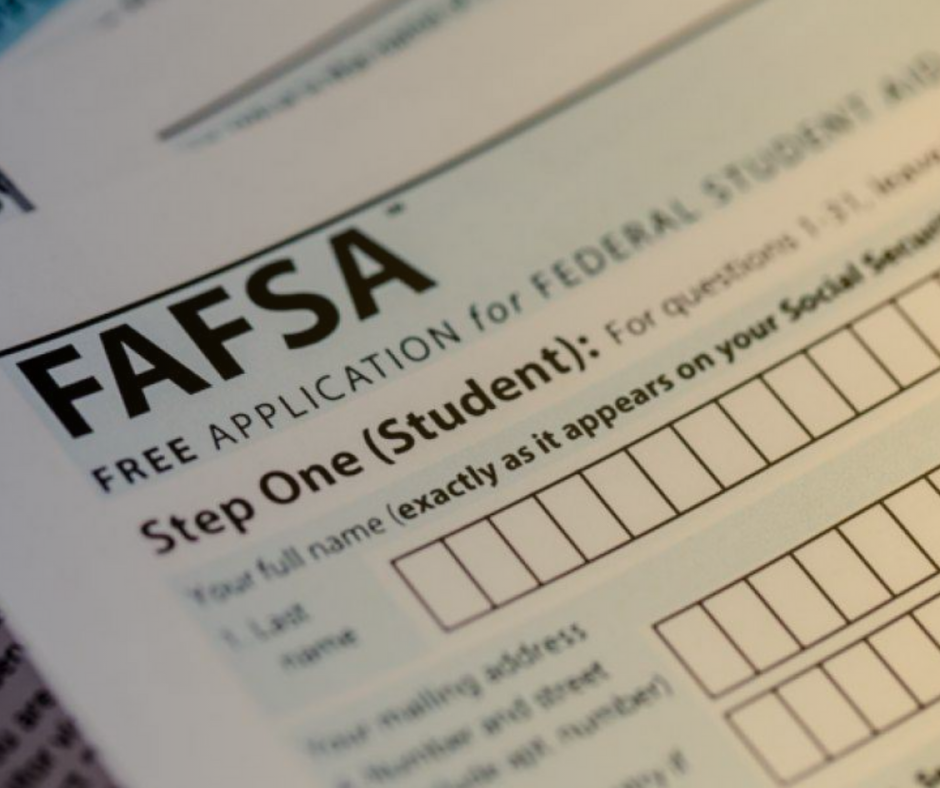
Fix common FAFSA mistakes
Small errors on the FAFSA form can delay your financial aid or reduce your eligibility. The form asks for precise financial data, and even minor discrepancies can trigger verification holds or incorrect grant calculations. Avoid these frequent pitfalls to ensure your application processes smoothly.
Mismatched tax information
Using outdated or incorrect tax data is the most common reason for FAFSA delays. If you filed taxes in the prior year, enter those exact figures. If you have already filed for the current year but haven’t submitted the form yet, use the prior year’s data as instructed, then update it later when the tool allows. Do not estimate; use official transcripts or the IRS Data Retrieval Tool if available.
Ignoring the FSA ID for parents
For dependent students, a parent’s FSA ID is required to sign the form. Many families wait until the last minute to create these accounts, only to find that identity verification takes several days. Ensure the parent creating the FSA ID has access to the same email address used on the FAFSA. If the parent’s identity cannot be verified immediately, the student’s application will remain incomplete.
Missing state and school deadlines
FAFSA deadlines vary significantly by state and institution. State grants often have earlier cutoff dates than federal aid. Check the specific deadline for your state’s higher education agency and each college you are applying to. Submitting after these dates may disqualify you from priority funding, even if you remain eligible for federal loans.
Overlooking dependency status
Assuming you are independent when you are not can lead to incorrect aid offers. Most undergraduate students under 24 are considered dependent and must provide parental financial information. Only check the dependency status boxes if you meet specific criteria, such as being married, a veteran, or an orphan. Incorrectly marking yourself as independent will result in a rejected or flagged application.
Fafsa: what to check next
The FAFSA process can feel like a maze, but most roadblocks come from avoidable confusion rather than complex rules. Whether you are worried about income limits or unsure who should sit at the computer, these answers clear up the most common objections before you start.
No comments yet. Be the first to share your thoughts!