

Finding money beyond the big names
Most students leave money on the table when it comes to student financial aid. The reality is, they only apply for a small fraction of the scholarships they’re actually eligible for. It’s not a matter of laziness, really. Traditional scholarship search engines can feel… limited. They rely heavily on keywords and often miss opportunities that aren’t perfectly categorized or widely advertised.
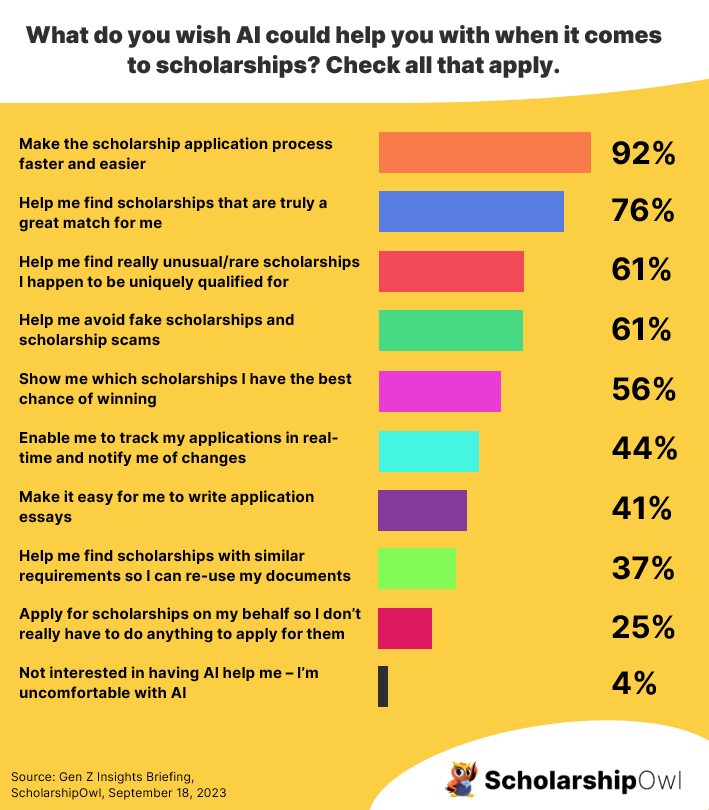
New tools use AI to find 'hidden' scholarships that usually slip through the cracks. They don't just match keywords; they look at the specific details of your profile to find awards you wouldn't find with a standard search.
The current system often favors larger, well-known scholarships. While those are important, a huge amount of funding exists in smaller, more targeted awards. AI is designed to sift through the long tail of scholarship opportunities, connecting students with those niche programs that perfectly match their backgrounds and aspirations. It’s about expanding the scope of the search and increasing the odds of success.
How the matching works
These tools use natural language processing to read scholarship descriptions. It identifies specific requirements and award amounts, which is a big step up from just searching for words like 'engineering' or 'music.'
Machine learning algorithms then take over, matching student profiles – academic records, extracurricular activities, demographics, and even stated interests – with the scholarships identified by NLP. The more data the AI processes, the better it gets at making accurate connections. It learns from past successes and failures, refining its matching process over time.
Web scraping is also essential. AI-powered tools systematically scan the internet, gathering scholarship information from a vast range of sources: university websites, foundation databases, professional organizations, and even smaller, local groups. This ensures a more comprehensive database than any single search engine could create manually. They aren't just indexing what's easy to find.
Essentially, these tools don’t just look for scholarships about engineering, they look for scholarships for students like you who are interested in engineering. That subtle shift is what makes the difference.
Niche awards you might miss
AI excels at uncovering scholarships that traditional search methods often miss. These are the opportunities that aren’t heavily promoted or don’t fit neatly into common categories. For example, scholarships based on unusual criteria – like being left-handed or having a specific hobby – are often overlooked, but AI can identify them if the student’s profile matches.
Local and regional scholarships are another area where AI can be particularly helpful. These awards are often advertised through community organizations or local newspapers, making them difficult to find through national search engines. AI can scrape local websites and databases to uncover these hidden gems.
Scholarships from smaller organizations – like trade associations or philanthropic foundations – also tend to fly under the radar. AI can systematically search these organizations’ websites to identify scholarship opportunities. Websites like scholarships.com and HESAA.org offer some regional options, but AI expands the scope considerably.
Finally, scholarships with rapidly changing eligibility requirements can be difficult to track. AI can monitor websites for updates and automatically adjust its matching criteria, ensuring that students are always seeing the most relevant opportunities. These are the scholarships that disappear and reappear quickly, and AI is much faster than a human could be at spotting them.
AI-Powered Scholarship Search Tools - A Comparison (2026)
| Tool Name | Key Features | Database Size (approximate number of scholarships) | Personalization Level | Price | User Reviews (average rating out of 5) |
|---|---|---|---|---|---|
| ScholarshipOwl | AI-powered matching, application tracking, scholarship alerts. | 8,000+ | Medium | Subscription | 4.2/5 |
| Going Merry | Profile-based matching, FAFSA/CSS Profile integration, direct application submission. | 14,000+ | High | Free/Premium options | 4.5/5 |
| Bold.org | Exclusive scholarships, profile matching, community forum. | 30,000+ | Medium | Free | 4.0/5 |
| Niche | Scholarships alongside college rankings and reviews, detailed search filters. | 6,000+ | Low | Free | 3.8/5 |
| Sallie Mae Scholarship Search | Simple search interface, filters by major, state, and other criteria. | 4,000+ | Low | Free | 3.5/5 |
| Fastweb | Extensive database, personalized scholarship matches, sweepstakes entries. | 1.3 Million+ | Medium | Free/Premium options | 4.1/5 |
Illustrative comparison based on the article research brief. Verify current pricing, limits, and product details in the official docs before relying on it.
Using AI with the FAFSA
The Free Application for Federal Student Aid (FAFSA) is a cornerstone of the financial aid process, but it doesn’t unlock every opportunity. Many AI scholarship search tools can seamlessly integrate with the FAFSA, allowing students to import their data (with appropriate permissions, of course) to further refine their scholarship matches. This means more accurate and personalized recommendations.
Not all scholarships require the FAFSA. Montclair State University has several need-based awards that look at merit and involvement instead. AI can filter for these 'no-FAFSA' options if you are ineligible for federal aid or just don't want to submit the form.
Data privacy is a valid concern when connecting AI tools to your FAFSA information. Always review the privacy policies of any platform you use and ensure that your data is being handled securely. Look for platforms that use encryption and have a clear commitment to protecting student privacy.
Help with the application
AI isn’t just revolutionizing the scholarship search process; it’s also helping students with the application itself. AI-powered essay writing tools can assist with brainstorming ideas, structuring arguments, and improving grammar and style. However, it’s crucial to use these tools responsibly. Relying too heavily on AI can result in generic, unoriginal essays that don’t reflect your unique personality and experiences.
Grammar and spellcheckers, like Grammarly, are also valuable tools for ensuring that your application materials are polished and error-free. AI can also provide feedback on your application materials, identifying areas for improvement. ScholarshipAmerica.org provides a detailed application checklist to ensure you haven't missed any essential components.
Ultimately, authenticity is key. While AI can be a helpful assistant, it shouldn’t replace your own voice and perspective. Your scholarship essays should tell your story in your own words, showcasing your individual strengths and accomplishments.
What's next for student aid
The integration of AI into the scholarship search process is only going to deepen. We can expect to see more personalized recommendations, with AI algorithms learning from each student’s individual preferences and goals. Integration with financial aid offices could become commonplace, allowing for a more streamlined and coordinated approach to financial aid.
Proactive scholarship identification is another exciting possibility. Imagine an AI tool that automatically identifies scholarships as soon as a student becomes eligible, based on their academic record, extracurricular activities, and demographic information. There are potential ethical concerns to consider, such as algorithmic bias and data privacy, and these will need to be addressed as AI becomes more prevalent. But the potential benefits for students are enormous.




No comments yet. Be the first to share your thoughts!