

Federal vs. Private Student Loans
Choosing between federal and private student loans is one of the first major financial decisions in your Student Loan Guide journey. The source of your funding dictates your interest rate, repayment flexibility, and long-term security. Understanding these differences helps you build a borrowing strategy that fits your actual financial situation rather than just covering tuition costs.
Federal loans are funded by the government and generally offer lower, fixed interest rates and income-driven repayment options. Private loans come from banks or credit unions and often require a strong credit history or a co-signer to qualify.

The table below outlines the primary distinctions between these two lending sources. Federal loans provide a safety net that private loans typically cannot match, making them the default starting point for most students.
| Feature | Federal Loans | Private Loans |
|---|---|---|
| Interest Rates | Fixed, set by Congress | Variable or fixed, set by lender |
| Credit Check | Not required (except PLUS) | Required, often strict |
| Repayment Plans | Income-driven options available | Standard fixed terms only |
| Forgiveness | Possible (PSLF, etc.) | Rarely available |
| Borrower Protections | Deferment and forbearance | Limited or costly |
File the FAFSA application
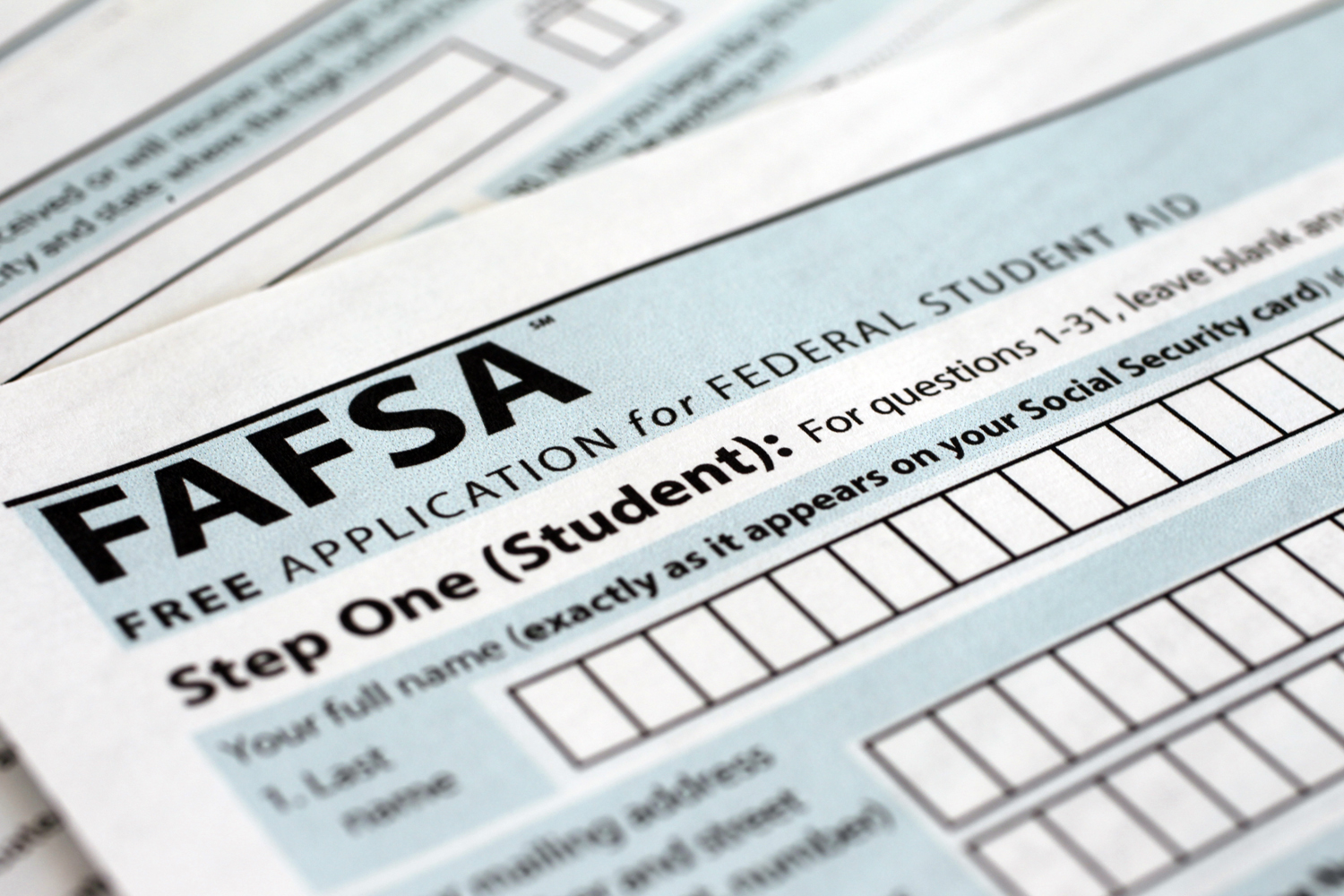
Completing the Free Application for Federal Student Aid (FAFSA) is the primary gateway to federal student loans, grants, and work-study programs. Without a submitted FAFSA, you cannot access federal loan eligibility, making this the first concrete step in your Student Loan Guide.
The process requires patience and accuracy. Errors can delay your financial aid offer or reduce the amount of aid you qualify for. Treat the application like a tax return: precise data entry matters more than speed.
1. Create an FSA ID
Before you can sign the form electronically, you need an FSA ID. This username and password serve as your legal signature for federal student aid documents.
Visit studentaid.gov to register. You will need your Social Security number, email address, and a valid mobile phone number for identity verification. If you are a dependent student, one of your parents must also create their own FSA ID to sign your application. Wait a few days after registration before using the ID, as the system needs time to activate it.
2. Gather Financial Documents
The FAFSA asks for detailed financial information. Having these documents ready before you start prevents interruptions and reduces the chance of typos.
You will need your (and your parents’, if dependent) Social Security numbers, federal tax returns from the prior-prior year, and records of untaxed income. If you have cash, savings, or investments, have their current balances ready. The FAFSA now uses the Direct Data Exchange (DDX) to pull tax data directly from the IRS, which simplifies the process significantly if you choose to use it.
3. Complete the Online Form
Log in to the FAFSA form at studentaid.gov. Start by entering your personal information and selecting the schools you want to receive your data. You can list up to 20 schools at a time, but you can add more later if needed.
Answer the eligibility questions carefully. Most students will qualify for federal aid, but specific answers regarding drug convictions or selective service registration can affect eligibility. Use the DDX feature to import your tax data directly from the IRS. This is the most reliable way to ensure your numbers match what the government already has on file.
:max_bytes(150000):strip_icc()/student-loan-computer-keyboard-570258715-5b6db9b846e0fb00250e8940.jpg)
4. Sign and Submit
Once all sections are complete, review your information for accuracy. Check the certification statements at the end of the form. You and your parents (if dependent) must sign the form using your respective FSA IDs.
After signing, submit the application. You will receive a confirmation page. Save this page or take a screenshot as proof of submission. It typically takes three to five business days for the Department of Education to process your FAFSA and send your Student Aid Report (SAR) to the schools you listed.
5. Review Your SAR and Respond
Within a week, you will receive your Student Aid Report (SAR) via email or mail. This document summarizes the information you provided and shows your Expected Family Contribution (EFC), now called the Student Aid Index (SAI).
Read the SAR carefully. If you see errors, correct them by logging back into the FAFSA form and making the necessary changes. Once corrected, the schools will receive your updated data. If you don’t hear from your schools within two weeks, contact their financial aid offices to confirm they received your FAFSA data.
6. Compare Financial Aid Offers
After processing, each school will send you a financial aid offer letter. This letter details the types and amounts of aid you are eligible to receive, including federal loans, grants, and work-study.
Compare these offers side-by-side. Look for the best mix of grant money (which you don’t repay) and subsidized loans (where the government pays interest while you are in school). Avoid accepting unsubsidized loans or private loans if you haven’t exhausted your federal options. Your Student Loan Guide journey continues here as you decide which loans to accept.
7. Accept or Decline Aid
Finally, log in to each school’s financial aid portal to formally accept or decline the aid offered. You can accept part of an offer and decline the rest. Follow the school’s specific instructions for signing promissory notes for any federal loans you choose to accept.
Keep copies of all acceptance documents. These records are essential for managing your repayment later. Once you have accepted your aid, the funds will be applied to your student account at the start of the semester.
Review your financial aid offer
Your financial aid award letter is a snapshot of what the school is willing to pay, not a final bill. It lists grants, scholarships, work-study, and loans separately. The most important number to find is the "net cost"—the total price of attendance minus the gift aid you don't have to repay.
Look at the loan section carefully. Federal loans usually have lower interest rates and flexible repayment options compared to private loans. If the letter includes private loan offers, treat them as optional extras rather than required funding. You can often accept only the federal portion and decline the rest.
To see the true cost, subtract your grants and scholarships from the total cost of attendance. The remaining balance is what you must cover with loans or out-of-pocket payments. This net cost figure helps you decide how much borrowing is necessary for your Student Loan Guide plan.

Read the fine print for any conditions. Some scholarships require maintaining a certain GPA or major. Work-study offers depend on available jobs on campus. Understanding these requirements now prevents surprises later when you try to keep your funding.
Choose a repayment plan
Picking the right Student Loan Guide repayment strategy depends on your projected income. Federal loans offer three main paths, each balancing monthly payments against total interest paid. Select the option that aligns with your career timeline and financial comfort.
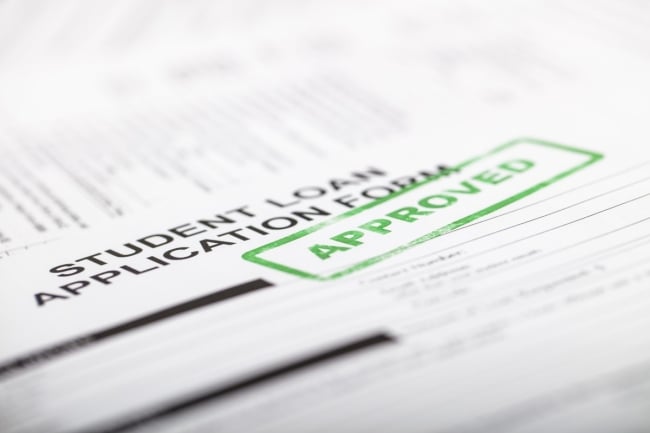
Standard Repayment
This plan fixes your monthly payment for 10 years. It results in the lowest total interest paid over the life of the loan. It works best if you have a stable income and want to be debt-free quickly. Payments remain the same, making budgeting predictable.
Graduated Repayment
Payments start lower and increase every two years. This suits borrowers expecting their income to rise steadily after graduation. You pay less interest than with income-driven plans but more than with the Standard plan. It provides breathing room early on while you establish your career.
Income-Driven Repayment (IDR)
Monthly payments cap at a percentage of your discretionary income. If your earnings are low, payments can drop to zero. After 20-25 years, any remaining balance may be forgiven. This is ideal for public service workers or those with lower starting salaries. Note that forgiven amounts may be taxable, so check current IRS rules.
Avoid common borrowing mistakes
Even with a solid plan, small errors can inflate your debt or delay your graduation. This Student Loan Guide focuses on the steps you can take now to keep costs down and your future options open. Treat borrowing like a contract, not a gift. Read every line, sign only what you need, and never skip a deadline.
Don’t over-borrow
It is tempting to accept the maximum loan amount offered, but you only need to borrow what your actual budget requires. Calculate your total expected costs—tuition, housing, books—and subtract all grants, scholarships, and family contributions. The difference is your borrowing limit. Accepting extra funds now means paying interest on money you never spent.
Read private loan terms carefully
Federal loans offer fixed rates and income-driven repayment plans. Private loans often have variable rates that can rise over time. Before signing with a private lender, compare the annual percentage rate (APR) against federal options. Look for hidden fees, prepayment penalties, and co-signer release conditions. If you are unsure, ask the lender to explain any clause in plain language.
Missed FAFSA deadlines
The Free Application for Federal Student Aid (FAFSA) opens early each year. Missing the priority deadline can reduce your eligibility for grants and work-study programs. Set a calendar reminder for October 1st and aim to submit before your school’s specific cutoff date. You can often correct errors after submission, but late filings rarely recover lost aid.
Skip the paperwork trap
Accepting a loan requires signing a Master Promissory Note (MPN). Do not rush through this document. It is a legal agreement that outlines your repayment obligations, interest rates, and borrower rights. Keep a copy for your records. If you forget the terms later, you cannot claim you did not know them.
-
Verify loan amounts match your actual budget
-
Read private loan APR and fee structures
-
Submit FAFSA before priority deadlines
-
Sign MPN only after reading all terms
Subtract grants and scholarships from total costs to find your borrowing limit.

Check APRs and fees across at least three private lenders before choosing.

File before your school’s priority deadline to maximize grant eligibility.
Frequently asked: what to check next
This Student Loan Guide addresses common concerns about managing federal debt. These answers focus on consolidation, interest capitalization, and forgiveness eligibility to help you navigate repayment with confidence.
For more details on repayment options, visit the Consumer Financial Protection Bureau’s student loan resources.
No comments yet. Be the first to share your thoughts!