

AI and the Student Debt Landscape
The student loan system in the United States is facing a crisis. Currently, over 43 million Americans hold more than $1.75 trillion in student loan debt, according to the Education Data Initiative as of late 2023. Default rates remain stubbornly high, impacting borrowers’ credit scores and financial well-being. Many struggle to navigate complex repayment options and understand their rights.
Artificial intelligence isn't a magic bullet, but it is offering a new set of tools to address these challenges. The goal isn’t to replace the existing system entirely, but to enhance it – to make it more efficient, more personalized, and more accessible. We’re seeing AI applied to areas like income verification, repayment plan recommendations, and proactive borrower support.
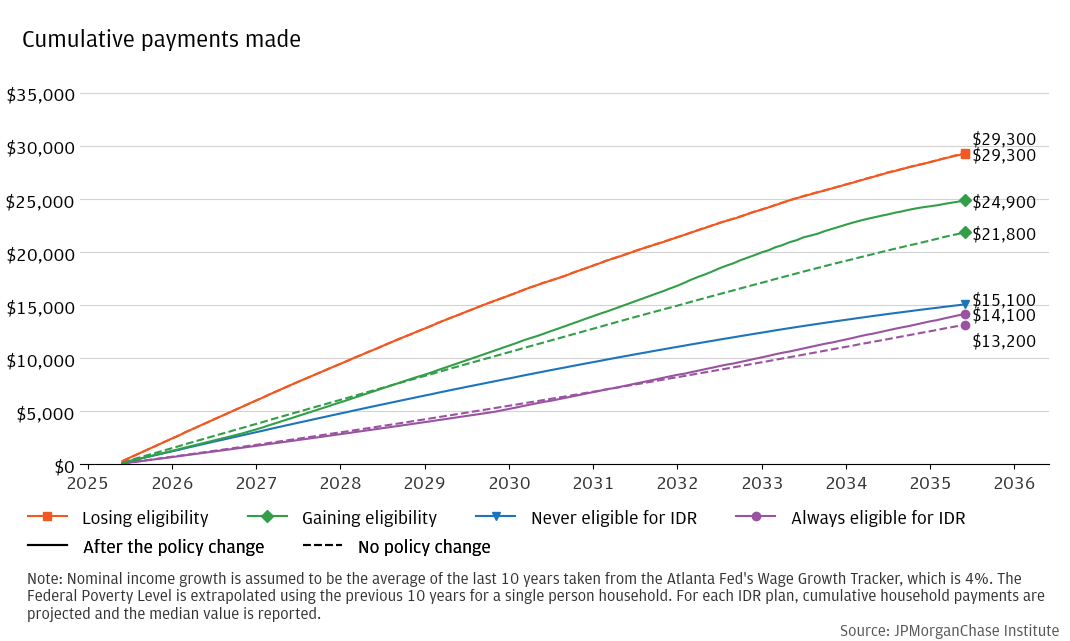
The idea of tying loan payments to income isn't new. Income-driven repayment (IDR) plans have been around for decades, designed to make student loan debt more manageable. However, these plans have often been plagued by complexity and administrative hurdles. AI builds on this foundation by automating processes, improving accuracy, and offering a more tailored experience. It’s about using technology to make IDR plans truly live up to their promise.
SAVE and Beyond: Existing Plans Get Smarter
The Saving on a Valuable Education (SAVE) plan, launched by the Biden administration, represents a significant step forward in student loan repayment. This plan, detailed on studentaid.gov, calculates payments based on a larger portion of discretionary income than previous IDR plans, potentially leading to lower monthly payments for many borrowers.
What's particularly interesting is how AI is being integrated into the SAVE plan’s administration. The Department of Education announced in early 2024 (ed.gov) that it's using AI to improve income verification processes. This means less paperwork for borrowers and faster, more accurate assessments of eligibility. The aim is to reduce errors and ensure that borrowers are enrolled in the plan that best suits their needs.
AI isn't just about verifying income; it's about predicting future income more accurately. Traditional income verification relies on past tax returns, which may not reflect current financial circumstances. AI algorithms can analyze a wider range of data points – employment history, industry trends, educational background – to forecast future earning potential and adjust repayment amounts accordingly. This leads to more sustainable repayment schedules.
Federal Student Loan Repayment Plan Comparison & Potential AI Enhancements (2026)
| Repayment Plan | Key Features | Current Challenges | Potential AI-Powered Improvements |
|---|---|---|---|
| Standard | Fixed monthly payments, typically over 10 years. Generally results in the lowest total interest paid. | Income fluctuations not accounted for; can be difficult for borrowers with unpredictable income. | AI-driven income verification could automatically adjust payments based on real-time income data, preventing defaults and optimizing affordability. |
| Graduated | Payments start lower and increase every two years, typically over 10 years. | Predicting future income increases is difficult, potentially leading to unaffordable later payments. | AI could provide personalized projections of income growth based on career trajectory and economic forecasts, helping borrowers anticipate payment increases. |
| Extended | Fixed or graduated payments over up to 25 years. | Longer repayment period means significantly more interest paid overall. | AI could analyze a borrower’s financial situation and offer tailored recommendations on whether extending the repayment term is truly beneficial, considering long-term costs. |
| Income-Driven Repayment (IDR) - SAVE, IBR, ICR, PAYE | Monthly payments are based on income and family size. Potential for loan forgiveness after a set number of years. | Complex eligibility requirements; annual income recertification is often burdensome and prone to errors. | AI-powered systems could streamline the income verification process, automatically pulling data from trusted sources (with borrower consent) and reducing the need for manual documentation. AI could also proactively notify borrowers of recertification deadlines and assist with the application process. |
| Income-Driven Repayment (IDR) - SAVE, IBR, ICR, PAYE | Monthly payments are based on income and family size. Potential for loan forgiveness after a set number of years. | Calculating discretionary income can be confusing; determining the most advantageous IDR plan is challenging. | AI could analyze a borrower’s financial profile and automatically recommend the IDR plan that results in the lowest total cost or fastest path to forgiveness. |
| Income-Driven Repayment (IDR) - SAVE, IBR, ICR, PAYE | Monthly payments are based on income and family size. Potential for loan forgiveness after a set number of years. | Borrowers may not be aware of all available IDR plans or the benefits of each. | AI-powered chatbots could provide personalized guidance on IDR plans, answering borrower questions and explaining complex concepts in a clear and concise manner. |
| Income-Driven Repayment (IDR) - SAVE, IBR, ICR, PAYE | Monthly payments are based on income and family size. Potential for loan forgiveness after a set number of years. | Difficulty understanding the implications of loan forgiveness (potential tax liability). | AI could model the tax implications of loan forgiveness and provide borrowers with proactive advice on tax planning. |
Illustrative comparison based on the article research brief. Verify current pricing, limits, and product details in the official docs before relying on it.
Personalized Repayment Pathways
Beyond income, a borrower’s financial life is complex. AI has the potential to move beyond one-size-fits-all repayment plans and create truly personalized pathways. Imagine an AI-powered tool that considers not just your current income, but also your career trajectory, geographic location (and its associated cost of living), family size, and even potential future financial events.
For example, an AI could recognize that a teacher in a high-cost-of-living area will have different needs than someone working in a rural community. Or it could factor in the possibility of an inheritance or a significant life change. The goal is to create a repayment plan that aligns with your individual circumstances and long-term financial goals.
This isn't just about generating a monthly payment amount; it’s about financial forecasting. AI could model different scenarios – what if you pursue a graduate degree? What if you change careers? – and show you the long-term impact of each choice on your student loan debt. It empowers borrowers to make informed financial decisions and plan for the future.
Automated Loan Management Tools
A growing number of companies are developing automated loan management tools powered by AI. These tools can streamline the repayment process and provide borrowers with greater convenience and control. Features include automatic payment adjustments based on income changes, proactive alerts about upcoming payments, and even automated applications for deferment or forbearance when appropriate.
For instance, if your income suddenly drops, the tool could automatically adjust your monthly payment to reflect your new financial situation. Or, if you lose your job, it could automatically initiate the application process for unemployment deferment. This reduces the administrative burden on borrowers and helps prevent missed payments and default.
However, it’s important to remember that these tools aren’t foolproof. Borrowers should still actively monitor their accounts and stay informed about their loan terms and conditions. Don't rely on automation to do all the work; it’s a helpful supplement, but not a replacement for responsible loan management.
The Role of Chatbots and Virtual Assistants
Navigating the student loan system can be confusing, and many borrowers have questions about their repayment options. AI-powered chatbots and virtual assistants are emerging as a valuable resource, providing 24/7 accessibility and personalized support. Companies like Mohela are already utilizing these technologies to answer frequently asked questions and guide borrowers through the repayment process.
These tools can help borrowers understand their eligibility for different repayment plans, explain the terms and conditions of their loans, and even assist with the application process. The benefit is immediate access to information and support, without having to wait on hold with a customer service representative.
It's crucial to acknowledge their limitations. Chatbots aren't a substitute for human advisors, especially in complex situations. They can provide general guidance, but they can't offer personalized financial advice. If you have a unique or complicated situation, it’s always best to consult with a qualified financial advisor.
Have you used a chatbot or virtual assistant for student loan support?
As AI tools become more common in student loan management, we want to hear about your experience. Vote below and let us know where you stand!
Potential Risks and Ethical Considerations
While AI offers significant potential benefits, it’s also important to be aware of the potential risks and ethical considerations. Data privacy is a major concern, as these tools require access to sensitive personal and financial information. It’s crucial that this data is protected and used responsibly.
Algorithmic bias is another potential issue. If the algorithms used to assess income or predict future earnings are biased, they could unfairly disadvantage certain borrowers. Transparency and accountability are essential to ensure that these algorithms are fair and equitable. We need to understand how these decisions are being made.
Finally, there’s the risk of errors. AI systems aren’t perfect, and they can make mistakes. It’s important to have safeguards in place to detect and correct these errors, and to provide borrowers with a clear recourse if they believe they’ve been harmed by an inaccurate assessment. A healthy dose of skepticism is warranted.
Questions to Ask Before Using an AI Tool
- Data Privacy: How is my personal and financial data being used, and with whom is it being shared? Understand the tool’s data usage policies.
- Security Protocols: What security measures are in place to protect my sensitive information from data breaches and unauthorized access? Look for details on encryption and data storage.
- Information Accuracy: How accurate is the information and advice provided by the AI? What data sources are used, and how frequently are they updated to reflect current regulations and loan programs (like those from the Department of Education)?
- Recourse Options: What recourse do I have if the AI provides incorrect advice or if the tool malfunctions, leading to financial harm? Is there a customer support system available?
- Algorithm Transparency: How does the AI algorithm work? While full transparency isn't always possible, understanding the general principles behind the recommendations can build trust.
- Human Oversight: Is there human oversight involved in the process? An AI tool should ideally complement, not replace, professional financial advice.
- Cost and Fees: Are there any fees associated with using the AI-powered tool? Understand the pricing structure and any potential hidden costs.
What to Expect in 2026 and Beyond
The field of AI-powered student loan repayment is evolving rapidly. In 2026 and beyond, we can expect to see even more sophisticated applications of this technology. Machine learning will likely play a greater role in predicting loan defaults, allowing lenders and servicers to proactively intervene and offer assistance to struggling borrowers.
We'll also see the development of more personalized repayment plans, tailored to individual borrowers' unique circumstances and financial goals. AI will be able to analyze a wider range of data points and create more accurate forecasts of future income and expenses. This will lead to more sustainable and manageable repayment schedules.
It’s likely that AI-powered virtual assistants will become even more sophisticated, capable of handling a wider range of borrower inquiries and providing more personalized support. The key will be ensuring that these tools are used responsibly and ethically, with a focus on transparency, accountability, and data privacy. Staying informed about these developments is crucial for borrowers looking to make informed financial decisions.

No comments yet. Be the first to share your thoughts!