
The graduation cliff
Most graduates hit a wall six months after walking across the stage. That is when the grace period ends and the first bill arrives. I have talked to dozens of former students who felt like they were falling off a cliff because they didn't have a plan for that first payment.
The immediate impact is real. You’re starting a new chapter, likely with new expenses, and now you need to factor in potentially significant loan payments. It’s not just about the money; it’s about adjusting to a new level of financial responsibility. It's easy to feel lost, so knowing your options is the first step.
At a high level, your core choices are: stick with the standard repayment plan, explore income-driven repayment (IDR) plans, or consider loan consolidation. Each path has its advantages and disadvantages, and the "right’ one depends on your individual circumstances. There"s no single answer that fits everyone.
Don’t feel pressured to make a decision immediately. Take a breath. This is a process, and it's okay to take your time to understand what each option means for you. The most important thing is to be proactive and get informed. Ignoring the situation will only make it worse.
Audit your loan portfolio
Before you can even begin to choose a repayment strategy, you need a clear picture of exactly what you owe. This means understanding the details of each loan you’ve taken out. It sounds tedious, but it’s absolutely essential. Knowing the specifics will empower you to make informed financial decisions.
First, determine whether your loans are federal or private. Federal loans generally offer more flexible repayment options and potential forgiveness programs. Private loans are subject to the terms set by the lender and usually have fewer protections. Next, identify whether your federal loans are Direct Loans or part of the Federal Family Education Loan (FFEL) program. FFEL loans are older and may have different rules.
For each loan, note the interest rate. This is crucial because it directly impacts how much you’ll pay over the life of the loan. Also, identify your loan servicer – the company you’ll be making payments to. You can find this information on the Federal Student Aid website, or by logging into your account at studentaid.gov. If you've lost track, the National Student Loan Data System (NSLDS) is your friend.
The NSLDS (nslds.ed.gov) is a central database that contains information about your federal student loans. It’s the best place to get a complete overview of your loan portfolio. You’ll need your FSA ID to access it. Once you have all this information, you’ll be in a much stronger position to evaluate your repayment options.
- Check if your loans are federal or private.
- Identify interest rates for each loan.
- Determine your loan servicer.
- Log into studentaid.gov to see your full history.
How income-driven repayment works
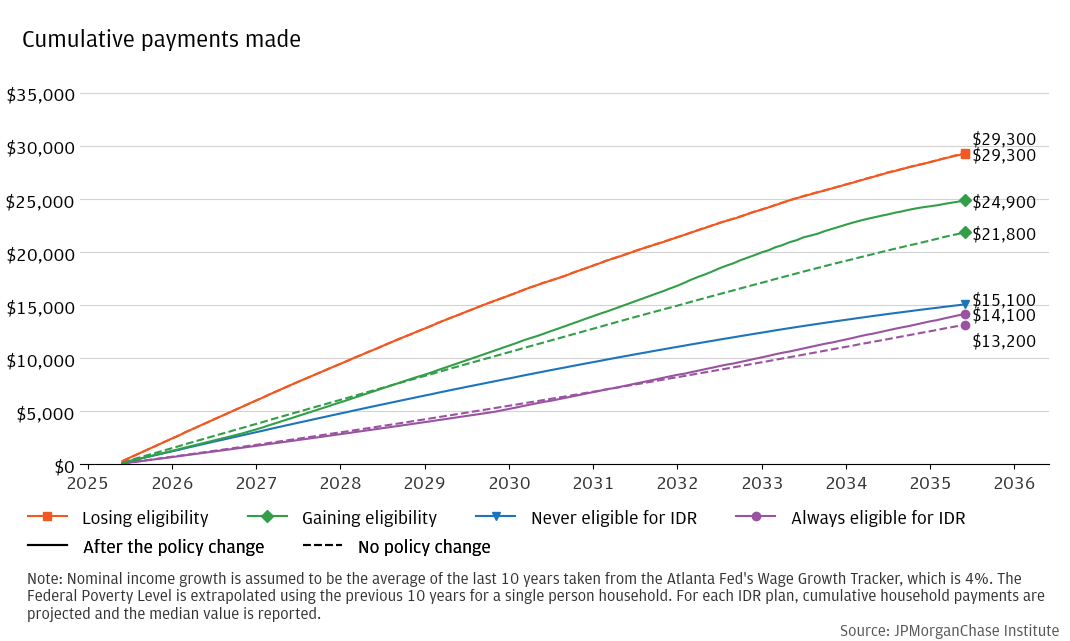
Income-driven repayment (IDR) plans can be a lifeline for borrowers facing financial hardship. These plans base your monthly payments on your income and family size, potentially making them much more affordable than standard repayment. There are several IDR plans available, each with its own rules and eligibility criteria.
Currently, the most talked-about plan is the Saving on a Valuable Education (SAVE) plan. It replaced the Revised Pay As You Earn (REPAYE) plan. SAVE generally offers the lowest payments and the fastest path to forgiveness for many borrowers. Eligibility depends on your income and loan type; Direct Loans are generally eligible, but FFEL loans may need to be consolidated into a Direct Consolidation Loan.
The SAVE plan calculates your payment as 5% of discretionary income for undergraduate loans. Discretionary income is just your adjusted gross income minus 225% of the federal poverty guideline. If you make less than roughly $32,000 a year, your monthly payment is $0.
It's important to understand how your income is verified. You’ll likely need to provide tax documentation. What counts as income can be complex – things like unemployment benefits or self-employment income can affect your payment amount. Also, remember that IDR plans typically offer loan forgiveness after 20 or 25 years of qualifying payments. However, the forgiven amount may be considered taxable income.
Standard Repayment & Consolidation Options
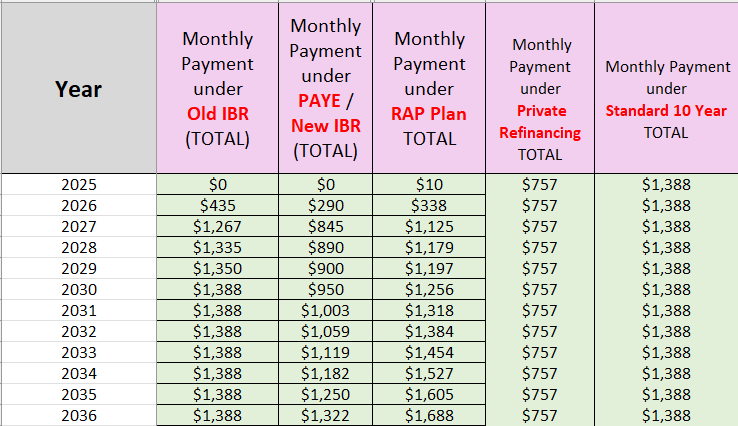
While IDR plans offer flexibility, the standard repayment plan provides a straightforward approach. With standard repayment, you’ll pay a fixed amount each month for 10 years. This results in the lowest total interest paid over the life of the loan, but it requires a higher monthly payment. It’s a good option if you have a stable income and can comfortably afford the payments.
The main benefit of standard repayment is simplicity and the potential for faster debt payoff. However, if your income is lower or uncertain, it might not be the most realistic option. It's crucial to honestly assess your budget and financial stability before choosing this path. Don’t overextend yourself just to stick to the standard plan.
Loan consolidation involves combining multiple federal loans into a single Direct Consolidation Loan. This can simplify repayment and potentially qualify you for certain IDR plans or forgiveness programs. However, consolidation can also increase the total amount you pay if it extends your repayment term or results in a weighted average interest rate higher than your existing loans.
Be aware of the difference between Direct Consolidation Loans and private consolidation loans. Direct Consolidation Loans are offered by the federal government and come with federal benefits. Private consolidation loans are offered by private lenders and may not have the same protections. Carefully weigh the pros and cons of each before making a decision.
Federal Student Loan Repayment Plan Comparison (as of late 2023/early 2024)
| Repayment Plan | Monthly Payment | Repayment Term | Total Interest Paid | Eligibility |
|---|---|---|---|---|
| Standard Repayment | Generally higher than other plans | Up to 10 years | Lower overall due to shorter term | All federal loan types |
| Extended Repayment | Lower monthly payments than Standard | Up to 25 years | Significantly higher due to longer term | Federal Direct Loans and FFEL Program loans |
| Graduated Repayment | Payments start lower and increase every two years | Up to 10 years | Potentially higher than Standard, depends on income increases | Federal Direct Loans and FFEL Program loans |
| Direct Consolidation Loan | Can vary depending on loan amount and term | Up to 30 years | Potentially higher overall, depends on interest rate and term | Eligible federal student loans. Consolidating can simplify repayment but may result in a higher interest rate. |
| Income-Driven Repayment (IDR) - (e.g., SAVE, IBR, ICR, PAYE) | Calculated based on income and family size | 20-25 years (with potential for forgiveness) | Can be significantly higher or lower depending on income and loan balance | Eligible federal student loans, income requirements apply |
Illustrative comparison based on the article research brief. Verify current pricing, limits, and product details in the official docs before relying on it.
Navigating Forgiveness Programs
Loan forgiveness programs offer a potential path to eliminating your student debt, but they often come with specific eligibility requirements and a commitment to public service. The most well-known is Public Service Loan Forgiveness (PSLF), which is available to borrowers working full-time for qualifying government or non-profit organizations.
To qualify for PSLF, you must have Direct Loans (or consolidate FFEL loans into a Direct Consolidation Loan), be employed full-time by a qualifying employer, and make 120 qualifying monthly payments while working for that employer. The application process can be complex, and it’s easy to make mistakes. Careful documentation is key.
Teacher Loan Forgiveness is another option for eligible teachers working in low-income schools. It offers up to $17,500 in loan forgiveness for certain teaching positions. Other niche forgiveness programs exist for specific professions, such as nurses or doctors working in underserved areas. Research whether you qualify for any of these programs.
The temporary PSLF waiver, which expanded eligibility for PSLF, ended in October 2022. While it’s no longer available, many borrowers benefited from it. Now, strict adherence to the standard PSLF requirements is necessary. Don’t rely on outdated information – always check the latest guidelines on the Federal Student Aid website.
Your six-month action plan
Feeling overwhelmed is understandable. Let’s break down the next six months into a manageable action plan. This timeline will help you get organized and make informed decisions about your student loans. It’s designed to be practical and actionable, not just a list of things to do.
Month 1: Gather all your loan information – loan types, balances, interest rates, servicers. Log into studentaid.gov and access your NSLDS account. Month 2: Use online calculators (many are available on the Federal Student Aid website) to estimate your monthly payments under different IDR plans and the standard repayment plan. Compare the options.
Month 3: If you decide to pursue IDR or consolidation, submit your application. Be prepared to provide documentation of your income and family size. Month 4: Follow up on your application status. Contact your loan servicer if you haven’t received confirmation. Month 5: Set up automatic payments to ensure you never miss a due date.
Month 6: Re-evaluate your strategy. Has your income changed? Have your life circumstances shifted? Adjust your repayment plan if necessary. Remember, this isn’t a one-time decision. You can always re-evaluate and make changes as your situation evolves. Proactive management is crucial.
Avoiding Common Pitfalls
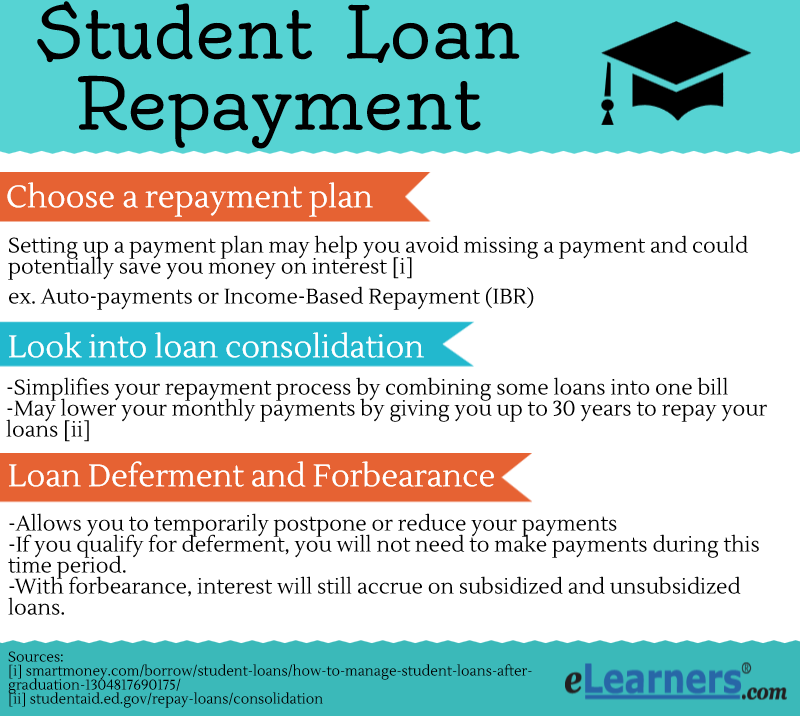
Navigating student loans can be tricky, and it’s easy to make mistakes. Here are some common pitfalls to avoid. One of the biggest is overusing deferment or forbearance. While these options can provide temporary relief, they often result in accrued interest and can extend your repayment term.
Ignoring communications from your loan servicer is another common mistake. Stay informed about changes to your loan terms or eligibility for new programs. Also, be wary of scams. Never pay a fee to someone promising to help you with loan forgiveness or lower your payments. Legitimate assistance is available for free through the Department of Education and your loan servicer.
Failing to recertify your income annually for IDR plans is a critical error. If you don’t recertify, your payments could increase significantly. Finally, understand that student loan information is highly sensitive. Protect your personal information and be cautious about sharing it with third parties.
I’ve seen borrowers struggle because they didn’t understand the terms of their loans or they fell victim to predatory lenders. Proactive communication with your loan servicer and a commitment to staying informed are your best defenses. Don’t be afraid to ask questions and seek help when you need it.

No comments yet. Be the first to share your thoughts!