

FAFSA's Big Update: What's Changing in 2026
The Free Application for Federal Student Aid (FAFSA) is changing significantly for the 2026-27 academic year. The Department of Education is redesigning the process to simplify applying for financial aid, aiming to avoid issues seen with the 2024-25 rollout.
Past FAFSAs were often complex and frustrating, leading some students to delay applying and miss out on aid. These changes aim to remove those barriers, making it easier for eligible students to access financial aid.
The update modernizes the entire system, from creating an FSA ID to inviting parental contributors. These changes reflect a commitment to equity and access in higher education, making the aid application process a more straightforward step toward educational goals.
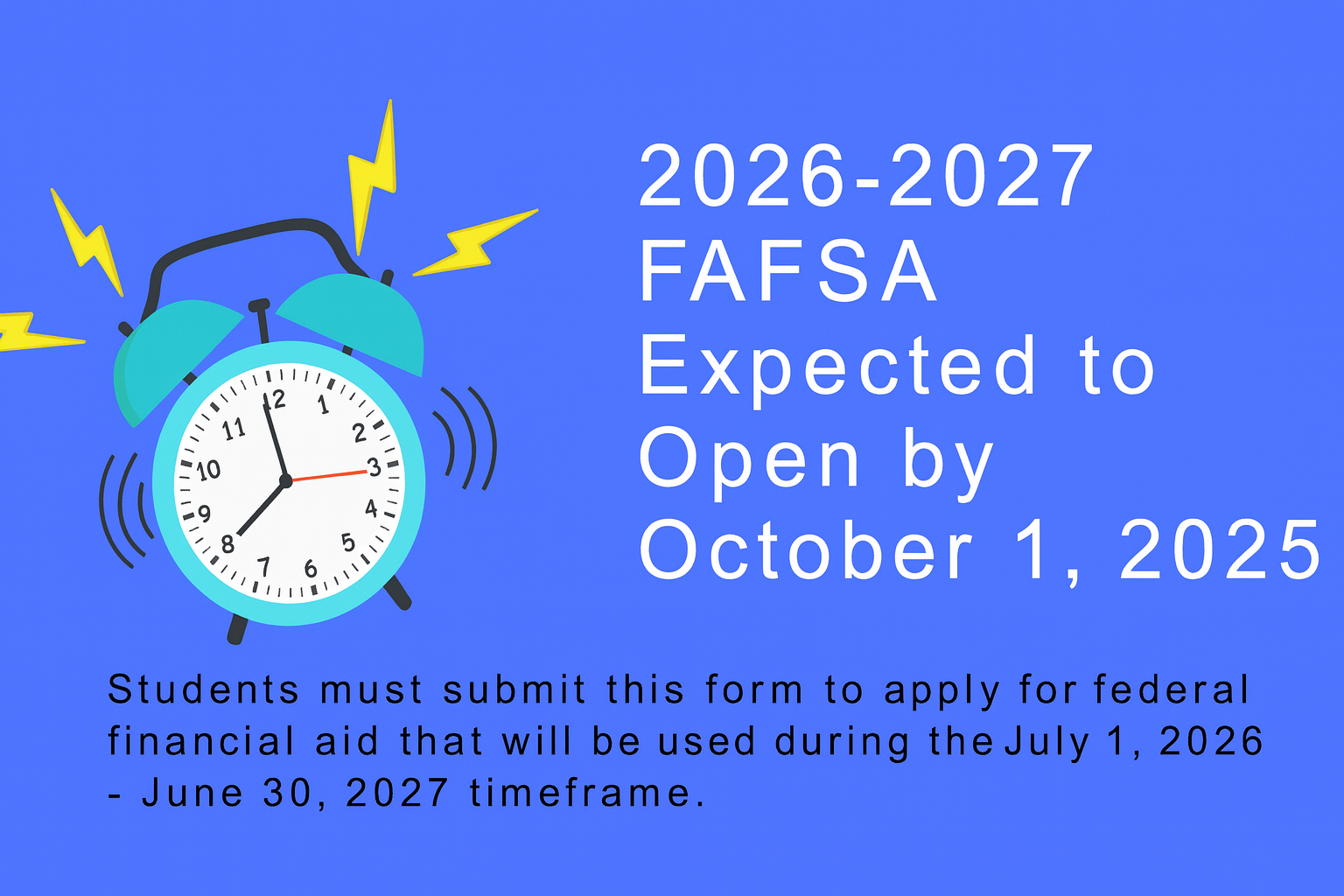
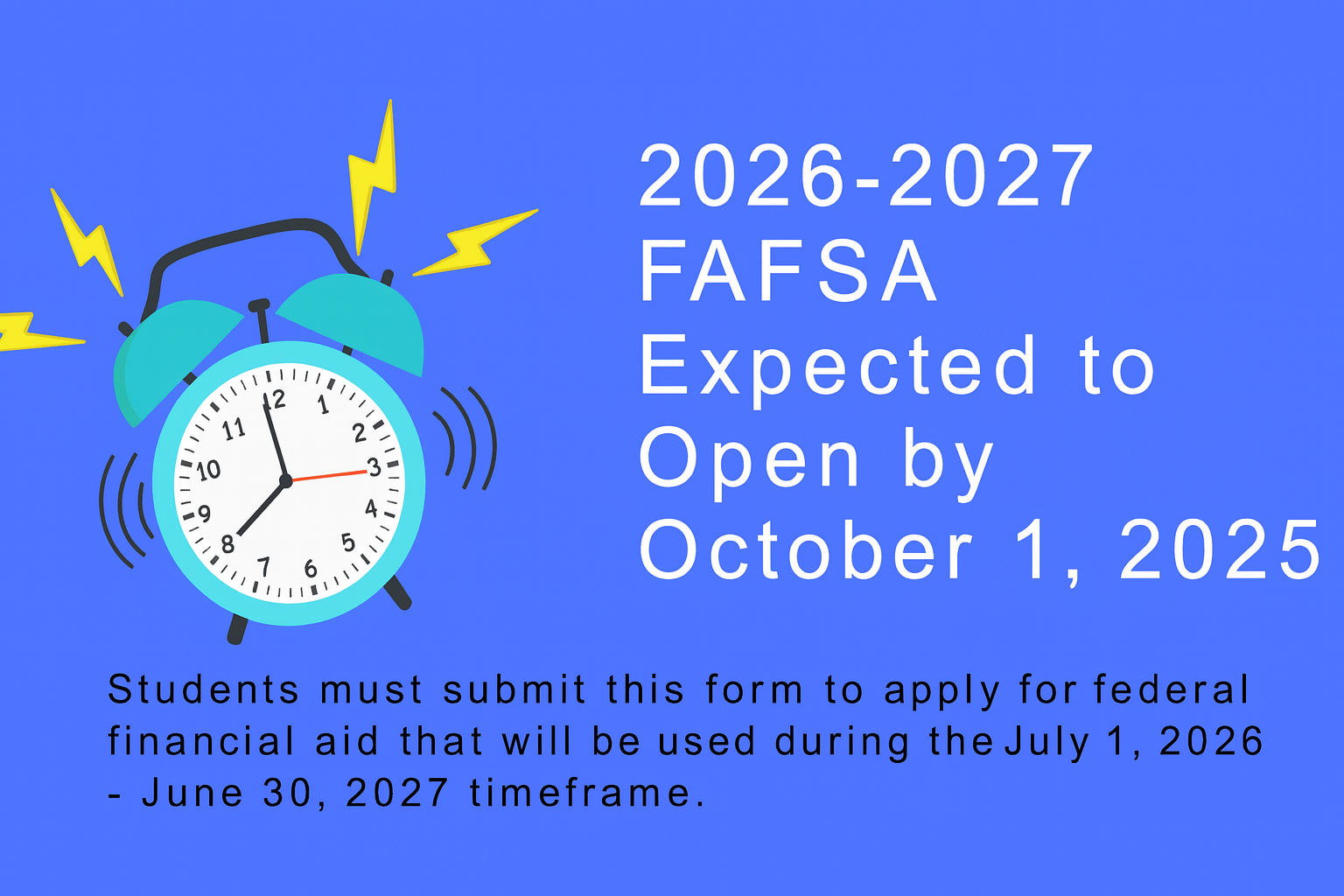
The 2026-27 FAFSA launched in late September 2025. Understanding the differences and how to navigate the new process is key to receiving the financial aid you need.
Simplified Application: Less Stress, More Aid
The 2026-27 FAFSA features a streamlined application process with fewer questions and clearer language, avoiding jargon that confused applicants.
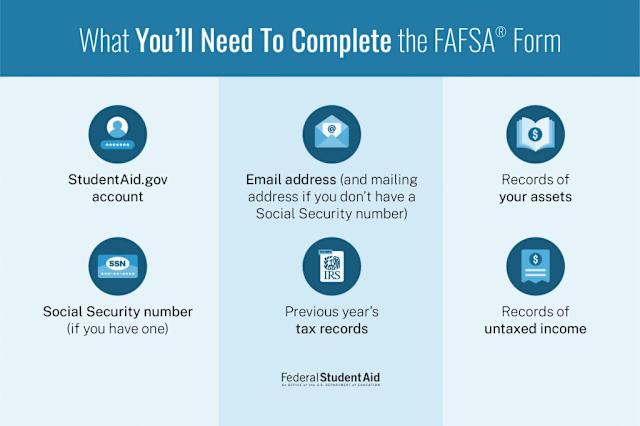
The new form asks fewer detailed financial questions, focusing on information most relevant to determining financial need. Questions about untaxed income, for example, have been consolidated and clarified.
The new interface is more intuitive, guiding applicants with clear instructions. It moves away from a linear format, allowing students to jump between sections more easily, saving time and reducing frustration.
The application asks for information in a more natural order, reducing cognitive load and making the process feel less overwhelming. This change can improve completion rates.
FSA ID: Faster Access to Financial Aid
Creating a Federal Student Aid ID (FSA ID) is the first step in applying for federal financial aid. The 2026-27 FAFSA update improves the FSA ID setup process, which was previously cumbersome and involved delays.
The new process accelerates verification and ID issuance, reducing the wait times that previously hindered FAFSA completion.
The Department of Education has also simplified the verification process, requiring less information to prove identity. This helps first-time applicants unfamiliar with the system and removes barriers to accessing aid.
Parent Contributors: A Smoother Process
The 2026-27 FAFSA introduces an easier method for inviting and managing parent contributors, addressing historical friction caused by the old, clunky, and error-prone process.
The new method provides a clear pathway for parents to access and complete their portion of the application, reducing errors and saving time.
Students should be mindful of privacy when inviting parent contributors, ensuring a secure internet connection and that parents understand the information requested. While the Department of Education has security measures, exercising caution is advised.
This update reduces stress and confusion, allowing parents to contribute information quickly and accurately, leading to fewer delays and a higher likelihood of receiving financial aid.
Reporting Assets: What You Still Need to Know
The 2026-27 FAFSA reduces asset reporting requirements, simplifying the financial disclosure process, especially for families with complex financial situations.
Business and farm assets no longer need to be reported, a major simplification as these often required extensive documentation. The Department of Education determined these assets had limited impact on a student's ability to pay for college.
Assets that still need to be reported include cash, checking and savings accounts, investments (stocks, bonds, mutual funds), and real estate (excluding your primary residence). Accurate information about these assets is needed to determine your Expected Family Contribution (EFC).
Lower-income families will experience the most simplification as they may have fewer assets to report. Higher-income families may still report substantial assets, but the elimination of business and farm assets reduces their reporting burden.
Asset Reporting Requirements: 2024-25 FAFSA vs. 2026-27 FAFSA
| Asset Type | 2024-25 Reporting Required? | 2026-27 Reporting Required? |
|---|---|---|
| Cash in Checking & Savings Accounts | Yes | Yes |
| Investments (Stocks, Bonds, Mutual Funds) | Yes | Yes |
| Real Estate (excluding primary home) | Yes | Yes |
| Business and Investment Farms | Yes | Yes |
| 529 Plans (owned by dependent student or parent) | Yes | Yes |
| Trust Funds | Yes, depending on control | Yes, depending on control |
| Custodial Accounts | Yes | Yes |
| Life Insurance Policies | Yes, if cash value exists | No |
Illustrative comparison based on the article research brief. Verify current pricing, limits, and product details in the official docs before relying on it.
Eligibility: Income Isn't Everything
A common misconception is that there’s an income limit for FAFSA eligibility. This isn’t true. There is no income limit to qualify for federal student aid. Students from all financial backgrounds should apply, as aid determination considers a multitude of factors beyond income alone.
While income is a factor, the FAFSA also considers family assets, household size, and the cost of attendance at your chosen institution. A family with a high income but multiple children in college may be eligible for more aid than a family with a lower income and a single student.
For example, a family of five earning $100,000 per year might qualify for more aid than a single-parent household earning $60,000 per year. The FAFSA formula takes these factors into account to provide a fair and accurate assessment of financial need. It's a holistic evaluation, not just a simple income threshold.
Don’t let concerns about your family’s income prevent you from applying. You might be surprised at the aid you qualify for. Applying is the first step toward understanding your options and making college affordable.
Deadlines: Don't Miss Out on Aid
Successfully navigating the FAFSA requires careful attention to deadlines. There aren’t just one, but three critical deadline categories to keep track of: the federal deadline, state-specific deadlines, and individual college requirements. Missing a deadline can significantly reduce your chances of receiving aid.
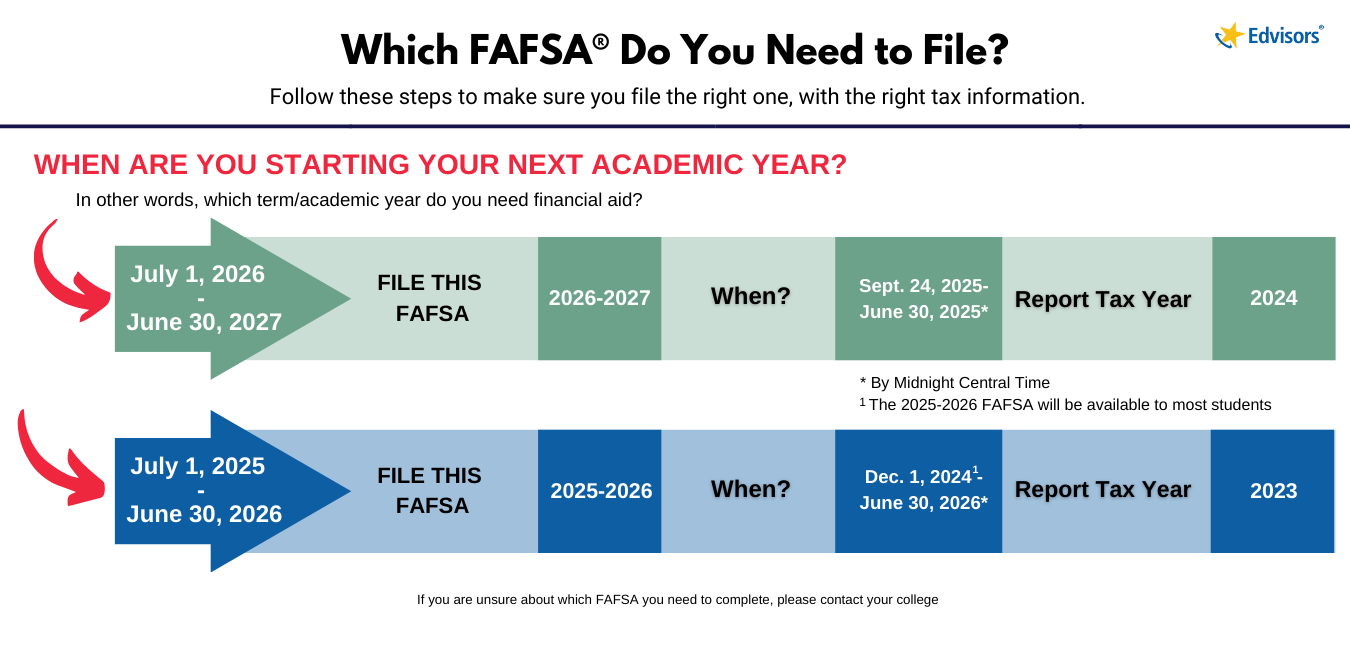
The federal deadline for the 2026-27 academic year is June 30, 2027. However, relying solely on this deadline is risky. Many states and colleges have much earlier deadlines, sometimes as early as February or March 2025. These earlier deadlines often prioritize aid to residents and applicants.
State deadlines vary significantly. Some states operate on a first-come, first-served basis, meaning that aid is awarded until funds are depleted. Others have firm deadlines that must be met to be considered for state aid. You can find your state’s deadline on your state’s higher education agency website.
College deadlines are also crucial. Each institution sets its own financial aid deadlines, which may be earlier than the federal or state deadlines. Always check the financial aid website of each college you’re applying to for specific deadline information. Given the varying deadlines, completing your application as soon as possible after gathering documentation is highly recommended.
Navigating the New FAFSA: Resources & Support
Applying for financial aid can be daunting, and it’s okay to ask for help. Numerous resources are available to students and families navigating the new FAFSA. Don’t hesitate to utilize these resources to ensure a smooth and successful application process.
The official FAFSA website () is your primary source of information. It provides detailed instructions, FAQs, and troubleshooting tips. The Federal Student Aid website also offers a wealth of information about federal student aid programs.
Several other organizations offer support, including college access centers and financial aid counselors at your high school or college. These professionals can provide personalized guidance and answer your specific questions. Consider reaching out to them for assistance.
If you have questions that aren’t answered online, you can contact the Federal Student Aid Information Center at 1-800-4-FED-AID (1-800-433-3243). They are available to assist you with any FAFSA-related inquiries. Don't go it alone – help is available!
No comments yet. Be the first to share your thoughts!