

What is changing for 2026?
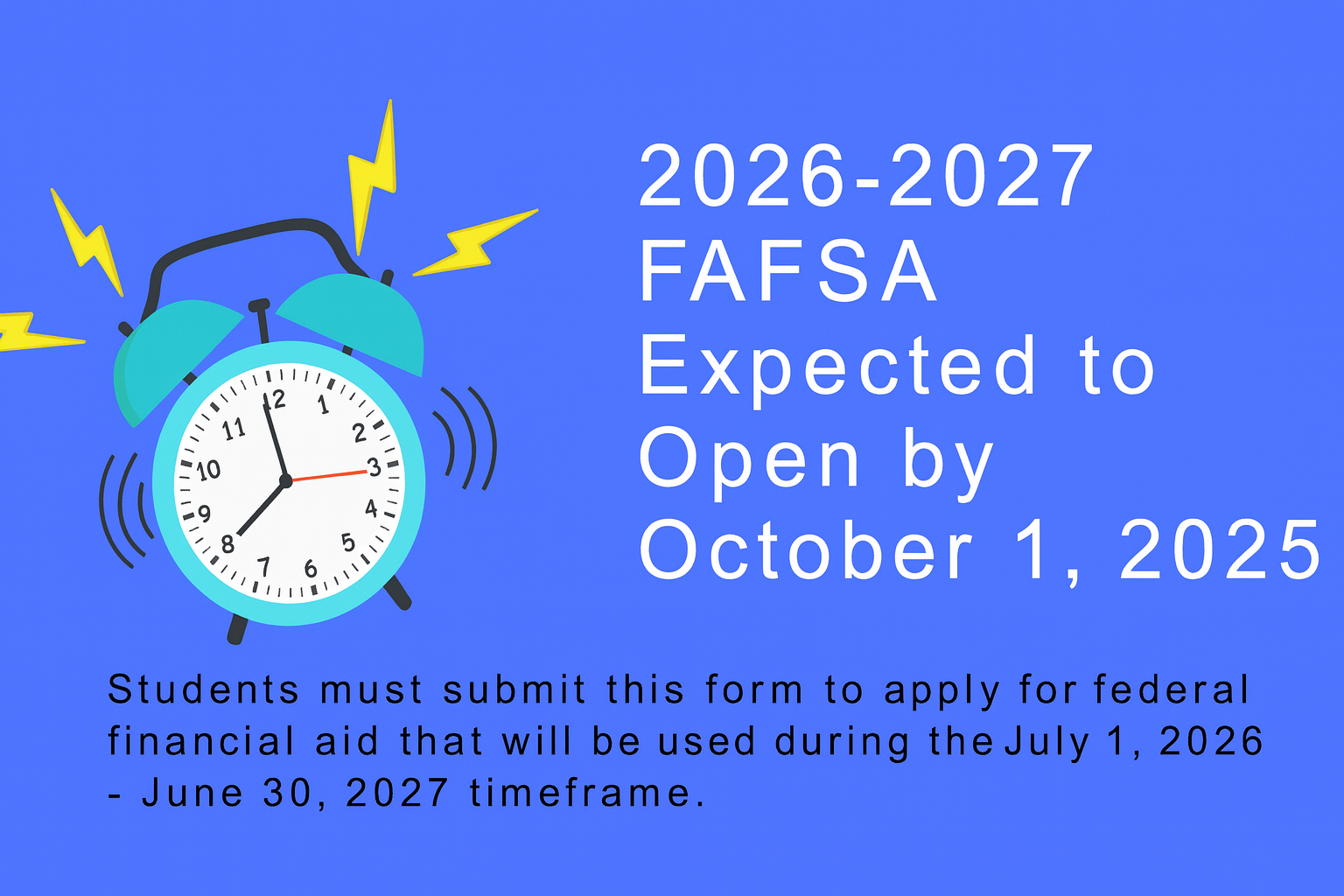
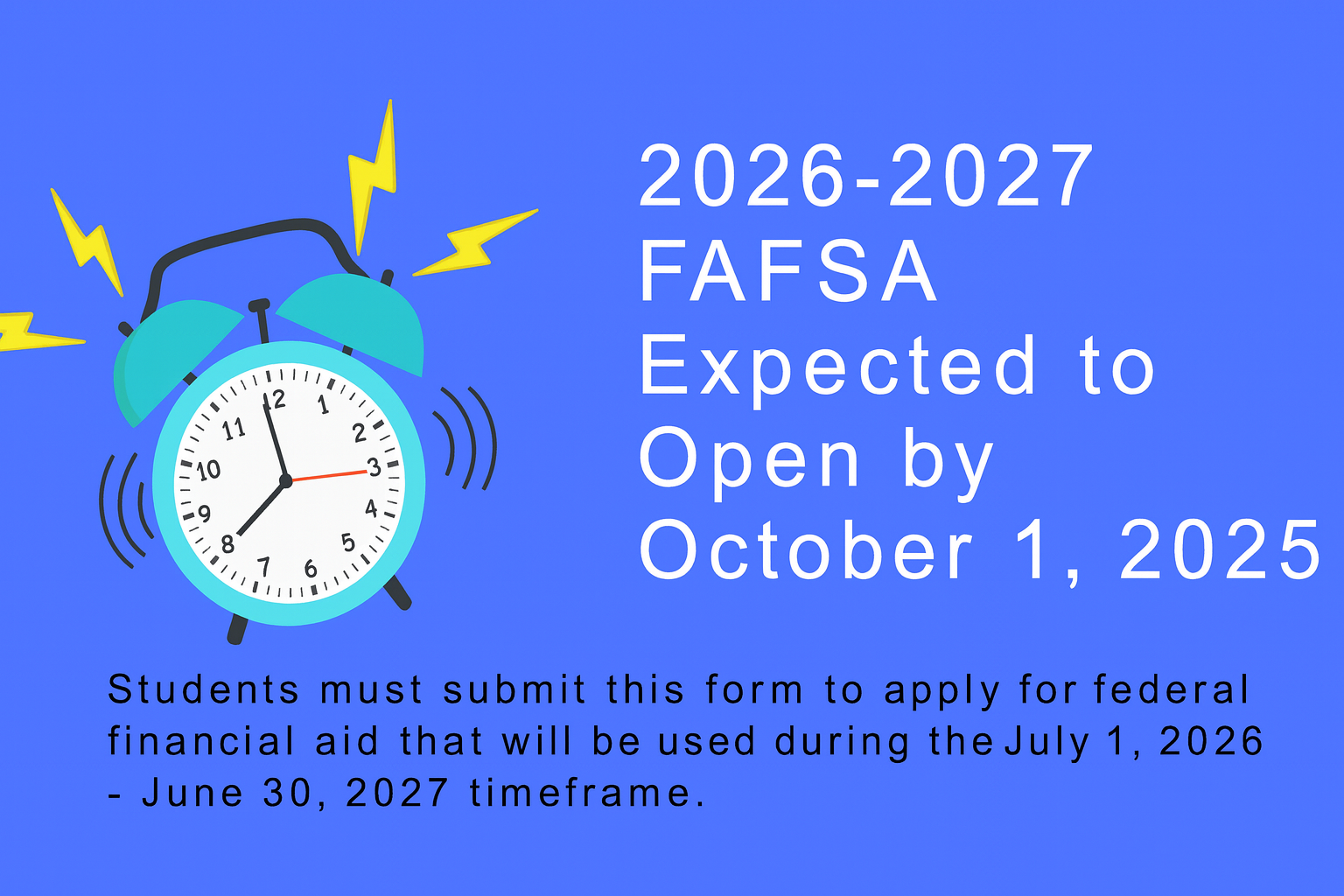
The 2026-2027 FAFSA cycle marks a shift back to older formulas after the 2024-2025 rollout struggled with technical glitches. The Department of Education is cutting the number of questions to try and get more students through the application without the usual technical hurdles.
This overhaul is, in part, a response to the rocky rollout of the 2024-2025 FAFSA. The initial launch was plagued with delays, technical issues, and calculation errors, causing considerable stress and uncertainty for students. It’s important to acknowledge those problems because they’ve directly informed the approach to these new changes. The Department of Education has stated they are committed to a smoother, more reliable experience this time around.
The changes are far-reaching, touching everything from the questions asked on the form to how financial need is calculated. Instead of the Student Aid Index (SAI), we’re returning to the familiar Expected Family Contribution (EFC) calculation. This shift isn’t just about a name change; it reflects a broader effort to make the formula more understandable and equitable. The intention is to provide students with a clearer picture of their financial aid eligibility.
The simplification efforts also include reducing the number of questions asked on the FAFSA, streamlining data requirements, and improving the overall online experience. These changes are designed to make the application process less time-consuming and less confusing. It's a big undertaking, but one that could have a significant positive impact on access to higher education.
The return of the EFC
One of the most noticeable changes is the reduction in the number of questions on the FAFSA form. The 2026-2027 FAFSA will be considerably shorter than previous versions, focusing on the most essential information needed to determine financial need. This streamlining is intended to make the application process less burdensome for students and families. They’ve removed questions deemed unnecessary or redundant.
The return to the Expected Family Contribution (EFC) is a significant shift. The SAI, introduced with the 2024-2025 FAFSA, proved confusing for many families. The EFC, while not perfect, is a more familiar metric. The Department of Education has clarified that the EFC calculation will be adjusted to reflect current economic conditions and to provide a more accurate assessment of a family’s ability to contribute to college costs.
Beyond the EFC, the new FAFSA aims for a more straightforward assessment of income and assets. The form will place greater emphasis on current income rather than historical data. This is particularly beneficial for families whose financial situations have changed significantly in recent years. It’s a move towards a more responsive and equitable system.
The online experience is also being improved. The Department of Education is working to create a more user-friendly interface with clear instructions and helpful resources. They're aiming for a more intuitive application process, reducing the likelihood of errors and omissions. The goal is to make the FAFSA accessible to everyone, regardless of their technical skills.
Direct Data Exchange & IRS Connection
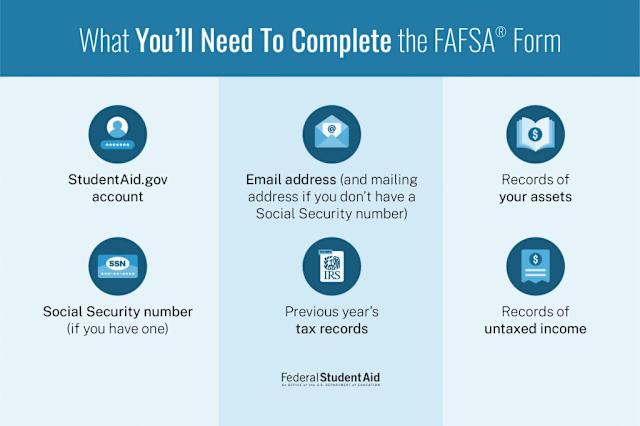
The Direct Data Exchange (DDE) pulls tax information directly from the IRS into your application. You won't have to type in your income line-by-line, which cuts down on the manual entry errors that usually trigger audits or delays.
The benefits of DDE are clear: increased accuracy, reduced complexity, and faster processing times. By pulling data directly from the source, the FAFSA minimizes the potential for discrepancies and ensures that the information used to calculate financial aid eligibility is up-to-date. This also means less paperwork and fewer headaches for applicants.
However, there are potential drawbacks to consider. Some families may have privacy concerns about sharing their tax information directly with the Department of Education. While the Department of Education has assured users that data security is a top priority, these concerns are understandable. There’s also the possibility of technical glitches or delays in data transmission.
What happens if there’s a discrepancy between what the IRS reports and what a family claims on the FAFSA? The Department of Education has established procedures for resolving these discrepancies, which may involve providing documentation to verify income or filing an amended tax return. They’ve also emphasized the importance of accurate tax filing to avoid complications.
Who is Affected by These Changes?
The FAFSA changes will impact all students and families applying for federal financial aid, but some will experience a more significant shift than others. Families with incomes below $50,000 per year are likely to see the most substantial benefits from the simplification efforts and the revised EFC calculation. These families are often the most sensitive to changes in financial aid eligibility.
Students from families with complex financial situations – such as those with multiple income sources or significant assets – may also experience a larger impact. The streamlined application process and the focus on current income could simplify their application and potentially increase their aid eligibility. It’s about making the system more responsive to real-life financial circumstances.
Families with dependent students will also be affected. The dependency status rules remain largely unchanged, but the simplified application process should make it easier to navigate the requirements. Students who are considered dependent will need to provide their parents' financial information on the FAFSA.
Independent students – those who meet certain criteria, such as being over age 24 or having dependents of their own – will continue to report their own financial information. The changes should make the process less confusing for them as well, with fewer questions and a more streamlined online experience.
Potential FAFSA Impact: 2026-2027 Calculation Changes
| Family Income Level | Assets | Previous EFC Range (Approximate) | New SAI Range (Approximate) | Likely Aid Impact |
|---|---|---|---|---|
| Under $30,000 | Less than $50,000 | 0 - $3,000 | 0 - $1,500 | Potential Increase |
| $30,000 - $60,000 | Less than $50,000 | $3,000 - $7,000 | $1,500 - $3,000 | Potential Increase or No Change |
| $60,000 - $100,000 | $50,000 - $100,000 | $7,000 - $15,000 | $3,000 - $7,000 | Potential Decrease or No Change |
| $100,000 - $150,000 | $100,000 - $200,000 | $15,000 - $25,000 | $7,000 - $15,000 | Likely Decrease |
| $150,000 - $200,000 | Over $200,000 | $25,000 - $35,000 | $15,000 - $25,000 | Likely Decrease |
| Under $30,000 | Over $200,000 | 0 - $3,000 | $0 - $3,000 | No Change or Slight Increase |
| $60,000 - $100,000 | Less than $50,000 | $7,000 - $10,000 | $3,000 - $5,000 | Potential Increase or No Change |
Illustrative comparison based on the article research brief. Verify current pricing, limits, and product details in the official docs before relying on it.
Deadlines for the 2026-2027 cycle
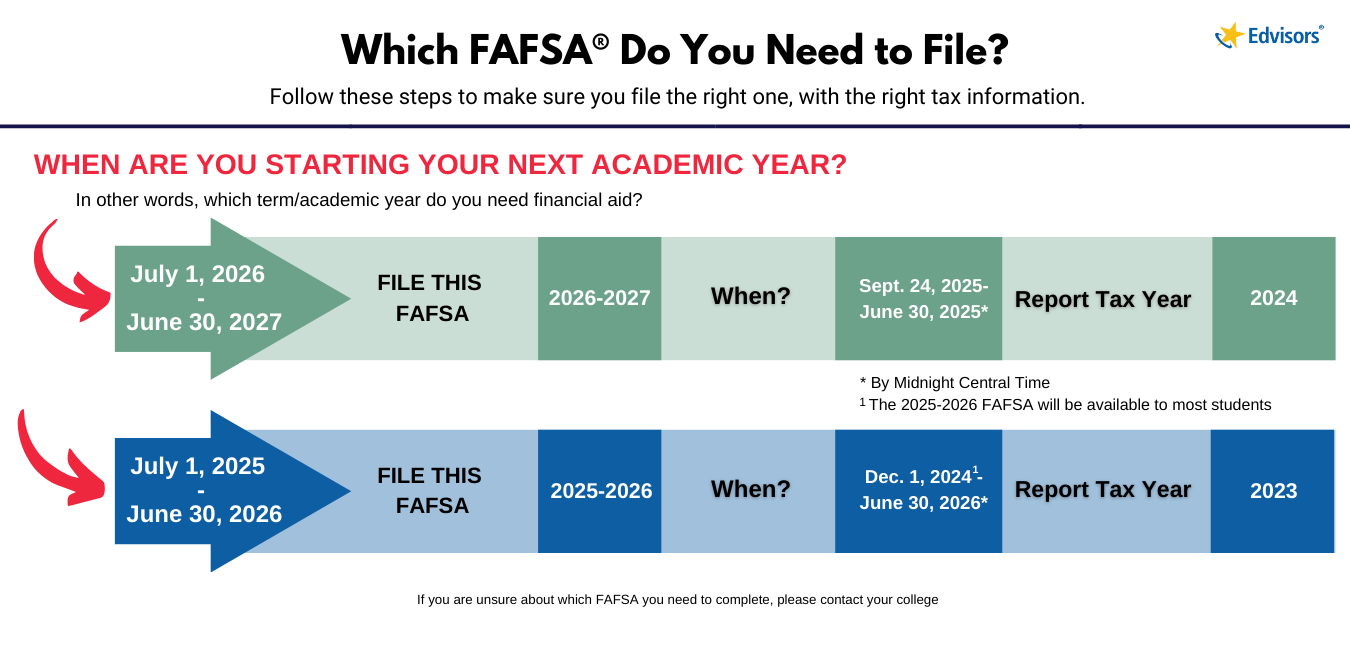
The federal FAFSA deadline for the 2026-2027 academic year is typically June 30th. However, it’s crucial to understand that this is not a hard-and-fast rule. Many states and colleges have earlier deadlines, and missing those deadlines can significantly reduce your chances of receiving aid.
State deadlines vary widely. Some states prioritize aid based on the order applications are received, so applying as early as possible is highly recommended. You can find a comprehensive list of state deadlines on the Federal Student Aid website and through your state’s higher education agency.
Institutional deadlines – those set by individual colleges and universities – are also important. These deadlines can be even earlier than state deadlines. Check with the financial aid office of each college you’re applying to for their specific requirements. Don’t assume all schools have the same deadline.
If you miss a deadline, you may still be eligible for federal student loans, but you could miss out on grant money and state aid. It’s always best to submit your FAFSA as early as possible to maximize your chances of receiving financial assistance.
Resources for Help: Where to Find Support
If you get stuck, the Federal Student Aid website (studentaid.gov) has the most current technical guides. Most state agencies also run help desks for local grant deadlines.
Your state’s higher education agency is another valuable resource. These agencies often provide information about state-specific financial aid programs and deadlines. You can find a list of state agencies on the Federal Student Aid website.
The financial aid office at your chosen college or university is also a great place to turn for help. Financial aid counselors can answer your questions, review your FAFSA, and help you understand your aid options. Don’t hesitate to reach out to them.
Several non-profit organizations offer free FAFSA assistance. These organizations can provide one-on-one counseling and help you complete the FAFSA accurately and on time. Some examples include Sallie Mae and local community organizations.
No comments yet. Be the first to share your thoughts!