


Get the FAFSA right
Before you open the FAFSA form, gather the right materials. Starting with incomplete information is the fastest way to delay your aid. You will need your Social Security number, tax returns, and records of any assets. If you are a dependent student, you will also need your parents' financial documents.
The FAFSA now uses direct data exchange with the IRS. This means you can import tax information instead of typing it by hand. While this reduces errors, you still need to verify the imported data. If your tax situation was complex, the automatic import might miss details like student aid or business losses.
Create a Federal Student Aid ID (FSA ID) at least a day before you start. Both you and your parents (if you are dependent) need separate IDs. You can use your email or phone number to recover access, so make sure those are current. Without an active FSA ID, you cannot sign the form electronically.
Work through the steps
Completing the FAFSA® form is the gateway to federal student loans and grants. The process is divided into clear sections, each requiring specific information to calculate your Expected Family Contribution (EFC) correctly. Follow these steps in order to ensure your application is processed without delays.
Before you can even log in, you need an FSA ID. This username and password serve as your legal electronic signature. Both the student and at least one parent must create their own FSA ID. If you are a dependent student, your parent’s FSA ID is required to sign the form on your behalf. You can create this account on the Federal Student Aid website.
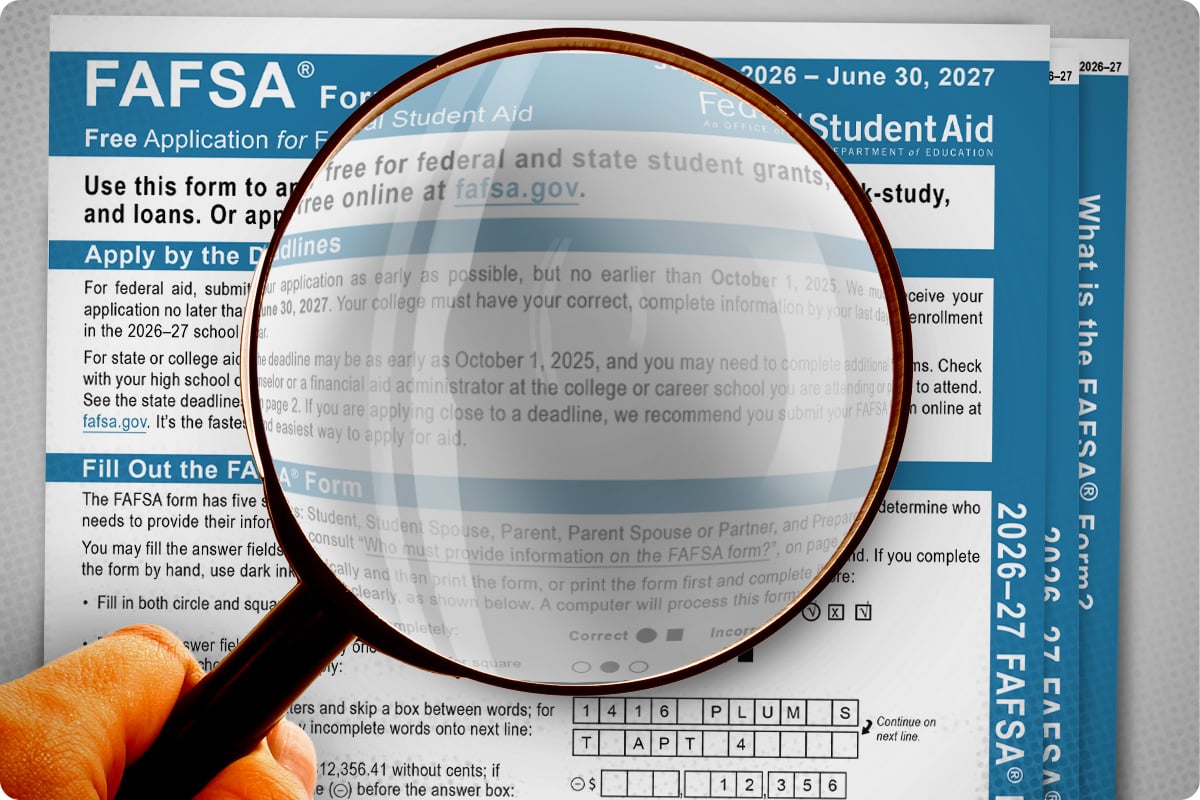
Have your tax returns, bank statements, and records of untaxed income ready. The new FAFSA uses direct data exchange with the IRS for tax information, which significantly simplifies this step. You can authorize the transfer of your tax data directly into the form, reducing manual entry and the risk of errors. Ensure you have your Social Security Number and driver’s license number on hand.
List the colleges you are interested in attending. You can search for schools by name or enter their federal school codes. There is no limit to the number of schools you can list. Your application will be sent to all listed institutions, allowing them to prepare your financial aid offers. You can add or remove schools after submission if your plans change.
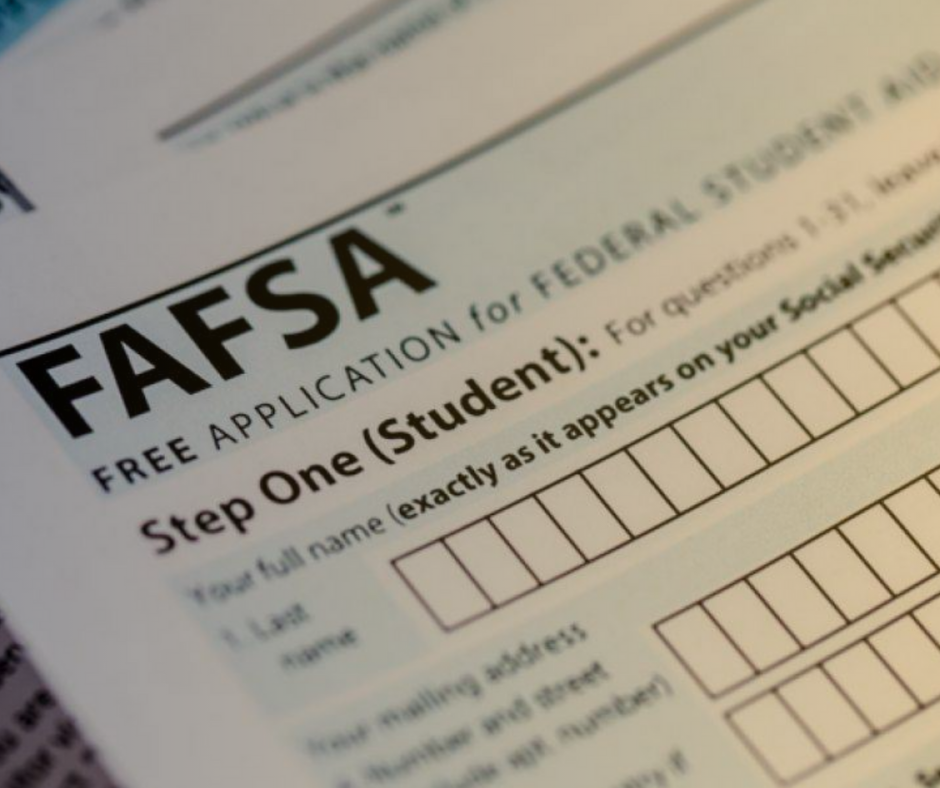
Answer the questions regarding your dependency status. Most undergraduate students under 24 are considered dependent and must provide parental financial information. If you meet specific criteria—such as being married, a veteran, or having legal dependents—you may qualify as independent. Incorrectly claiming independent status can lead to serious issues with loan repayment later.
After submitting, you will receive a Student Aid Report (SAR) within a few days. Review this document carefully to ensure all information is accurate. If corrections are needed, you can log back in and update your details. The SAR summarizes the data you provided and shows your calculated EFC, which schools will use to determine your aid package.
-
Create FSA IDs for student and parent
-
Gather IRS tax data and bank statements
-
List all target college school codes
-
Verify dependency status answers
-
Submit form and check for SAR confirmation
Once you have submitted your FAFSA, monitor your email and the FAFSA website for any requests for additional verification. Some schools may require extra documents to finalize your loan costs. Keeping your contact information updated ensures you do not miss critical deadlines for accepting your financial aid offers.
Fix common mistakes
Even with a streamlined form, small errors can delay your aid or lower your award. The most frequent missteps involve household size, asset reporting, and school codes. Catching these before submission keeps your application moving.
Skip the tax return step You must link your federal tax return through the IRS Data Retrieval Tool (DRT). Manual entry invites typos and often triggers a verification request. If your taxes were filed late or you are not required to file, select the correct non-filer option and upload proof.
Undercount your household The form asks for household size and the number in college. Leaving these blank defaults to a lower count, which can reduce your expected family contribution. Include anyone living with you who receives more than half their support from you, plus any siblings or parents currently enrolled at least half-time.
Report assets incorrectly Not all savings count. Cash, checking, and investment accounts are reportable, but retirement plans (401k, IRA) and home equity are excluded. Failing to exclude these inflates your asset profile and can lower your aid eligibility. Double-check every account before saving.
Fafsa: what to check next
Students and families often hit roadblocks when navigating the new FAFSA form. Here are answers to the most common practical questions about deadlines, data, and loan costs.
No comments yet. Be the first to share your thoughts!