
Get student loans right
Before you fill out the FAFSA or sign any paperwork, you need a clear picture of what you are borrowing. Student loans are not one-size-fits-all. The cost, repayment terms, and eligibility vary wildly between federal and private options. Skipping this step leads to higher interest rates and confusing monthly payments later.
Start by checking your credit score if you plan to apply for private loans. While federal loans do not require a credit check, private lenders use your score to set your interest rate. A higher score means lower costs over the life of the loan. If your score is low, consider a co-signer or focusing on federal aid first.
Next, calculate the total cost of attendance. Look beyond tuition. Include housing, books, supplies, and living expenses. Borrow only what you need. It is easy to accept the maximum loan amount offered, but you will be the one paying it back. A good rule of thumb is to keep your total student loan debt below your expected first-year salary after graduation.
Finally, understand the four main types of student loans. Federal Direct Subsidized loans do not accrue interest while you are in school. Unsubsidized loans start accruing interest immediately. PLUS loans are for graduate students or parents and carry higher interest rates. Private loans are offered by banks and credit unions and often require a co-signer. Knowing the difference helps you prioritize federal loans before touching private ones.
Work through the steps
Navigating student loans requires a methodical approach, especially with the 2026 FAFSA updates in effect. Treat your loan process like a checklist: gather documents, compare federal options, and verify your repayment plan before signing anything. Skipping steps often leads to higher interest rates or unexpected fees.
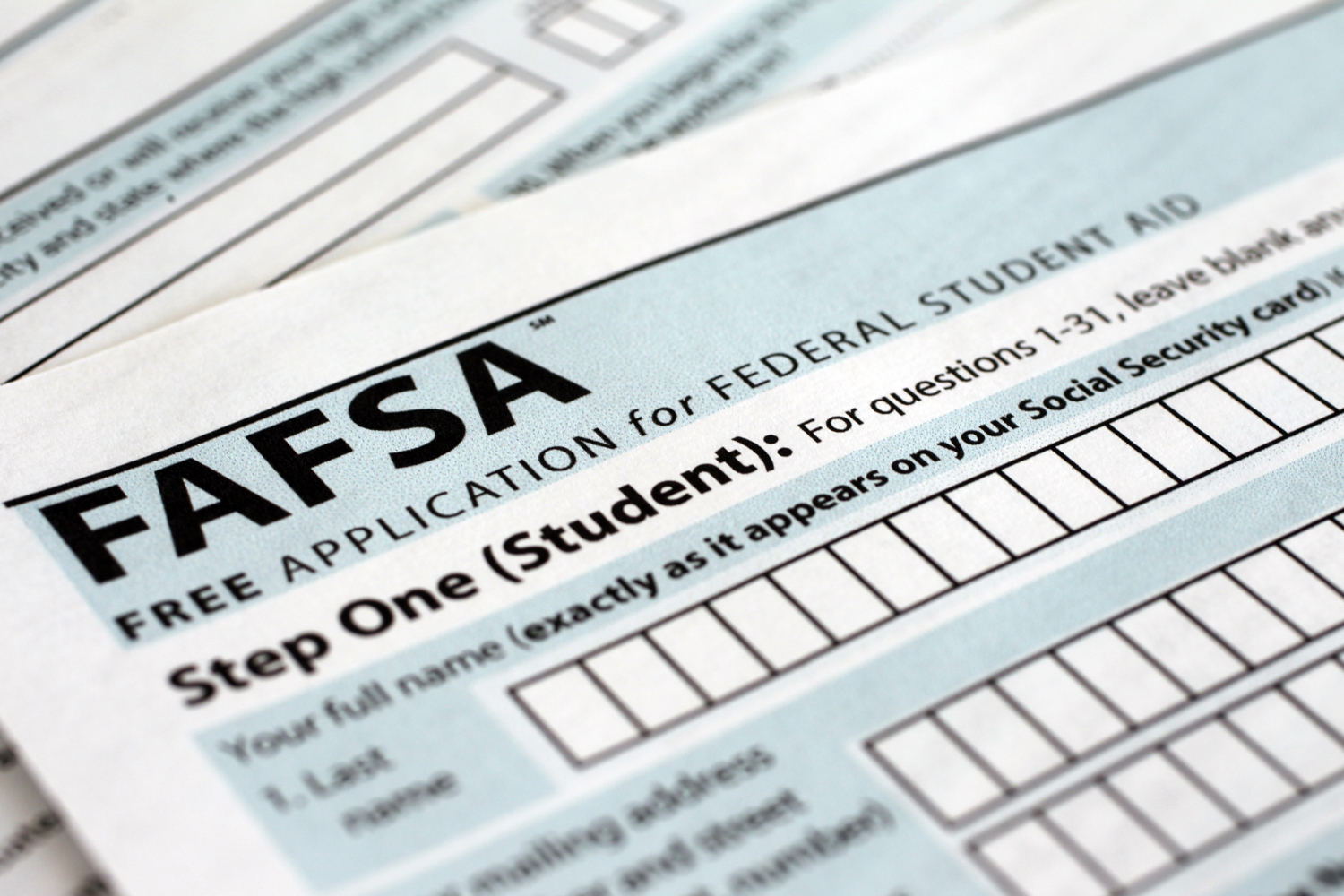
Start with the Free Application for Federal Student Aid (FAFSA). The 2026 updates simplify the process, but accuracy is critical. Use the IRS Data Retrieval Tool to pull tax information directly, reducing errors. Submit early to maximize eligibility for state and institutional grants that have limited funding.

Federal loans offer fixed rates and income-driven repayment plans that private lenders rarely match. Prioritize Direct Subsidized Loans (need-based) and Unsubsidized Loans (non-need-based) before considering Parent PLUS or Grad PLUS loans. Check the Department of Education’s site for current interest rates to understand your long-term cost.

Only consider private loans if federal aid doesn’t cover your full cost of attendance. Private rates vary based on credit score and cosigner strength. Use a loan calculator to compare monthly payments against federal options. Remember, private loans lack forgiveness programs and flexible repayment adjustments.
Choose a plan that matches your income and career timeline. Standard repayment pays off loans fastest with the least interest. Income-Driven Repayment (IDR) caps payments at a percentage of discretionary income, potentially leading to forgiveness after 20–25 years. If you expect a high income soon, the Standard plan is often mathematically superior.
Before funds disburse, sign your Master Promissory Note (MPN) and complete entrance counseling if it’s your first loan. Review the disbursement schedule to ensure funds arrive before tuition deadlines. Keep digital copies of all signed documents for your records.
Fix common student loan mistakes
Small errors in your application or repayment strategy can cost thousands over the life of your loan. Many borrowers focus only on the monthly payment, ignoring how interest capitalizes or how repayment terms affect long-term debt.
Missing FAFSA deadlines or income details
The Free Application for Federal Student Aid (FAFSA) has strict deadlines that vary by state and school. Missing these dates means you lose access to grants and low-interest federal loans. Even small errors in income reporting can delay your aid package or reduce your eligibility.
Choosing variable-rate private loans without a plan
Private loans often start with variable interest rates that can rise significantly over time. Without a clear plan to refinance or pay down the balance quickly, these loans become more expensive than fixed-rate federal options. Always compare the total cost, not just the initial rate.
Ignoring income-driven repayment options
Federal loans offer income-driven repayment plans that cap monthly payments at a percentage of your discretionary income. Borrowers who stick to standard 10-year plans often overpay or struggle during low-income periods. Switching to an income-driven plan can provide immediate relief and potential forgiveness after 20–25 years.
Not tracking loan servicer changes
Loan servicers frequently change or merge, leading to missed payments or incorrect billing statements. Borrowers who don’t verify their servicer’s contact information may miss important notifications about deferment or forbearance options. Check your account regularly to ensure payments are applied correctly.
Student loan: what to check next
You likely have specific concerns about borrowing costs, forgiveness programs, and repayment timelines. This section addresses the most common practical questions to help you make informed financial decisions.
No comments yet. Be the first to share your thoughts!